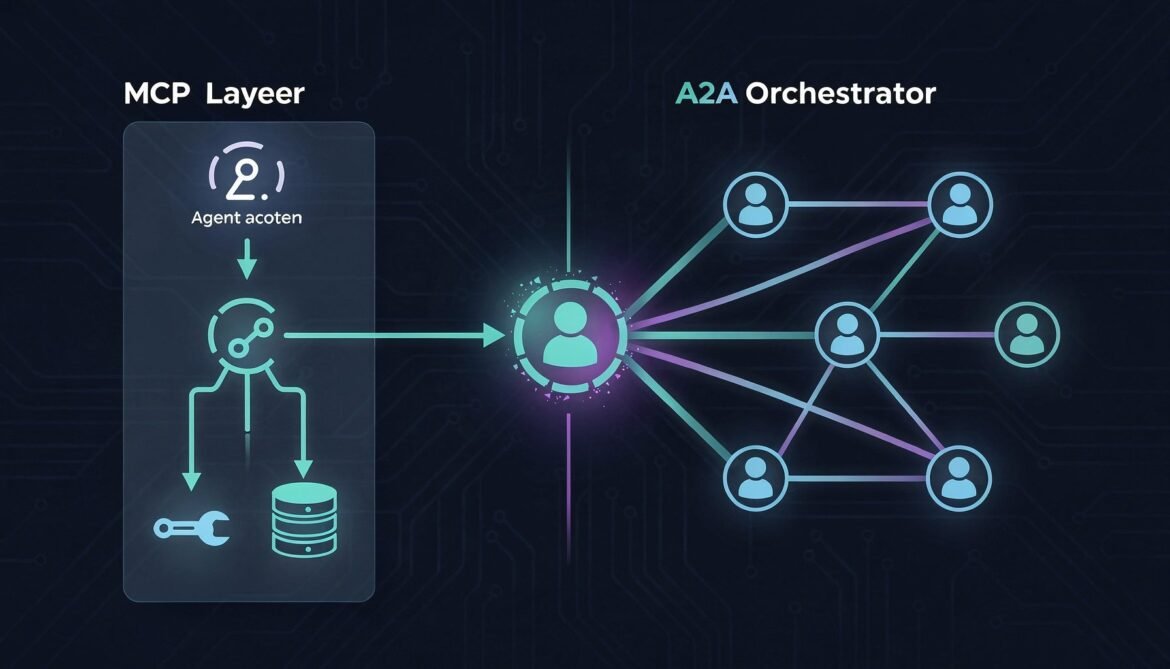
Combine MCP and A2A into one unified agentic stack. This post shows exactly where each protocol belongs, how they work together in a real enterprise workflow, and provides a complete Node.js implementation using both simultaneously.
Category: Backend Development
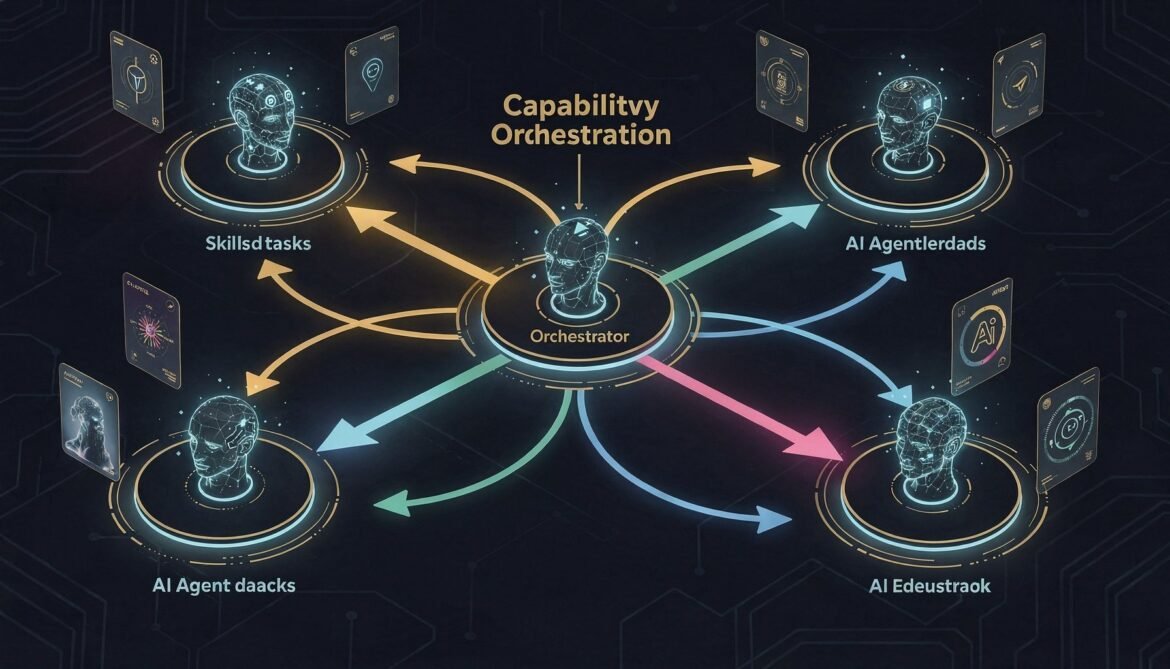
Agent Discovery and Orchestration: Building the Client Agent (Part 5 of 8)
Build the orchestrator layer of an A2A multi-agent system in Node.js. Covers Agent Card fetching, skill-based task routing, concurrent task execution, multi-turn interaction handling, and a complete working orchestrator you can run against the servers from Parts 3 and 4.
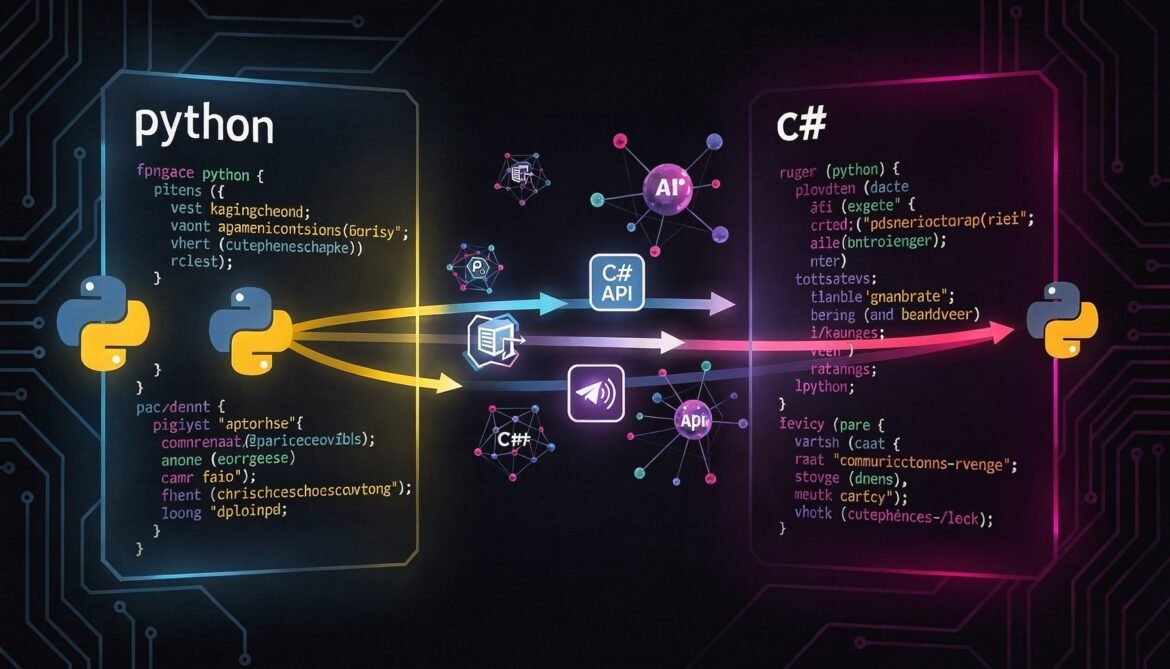
Building A2A Agent Servers in Python and C# (Part 4 of 8)
Implement a fully A2A-compliant agent server in both Python (FastAPI) and C# (ASP.NET Core). Same Inventory Management Agent from Part 3, same architecture, two more languages. Production-ready patterns for enterprise teams.
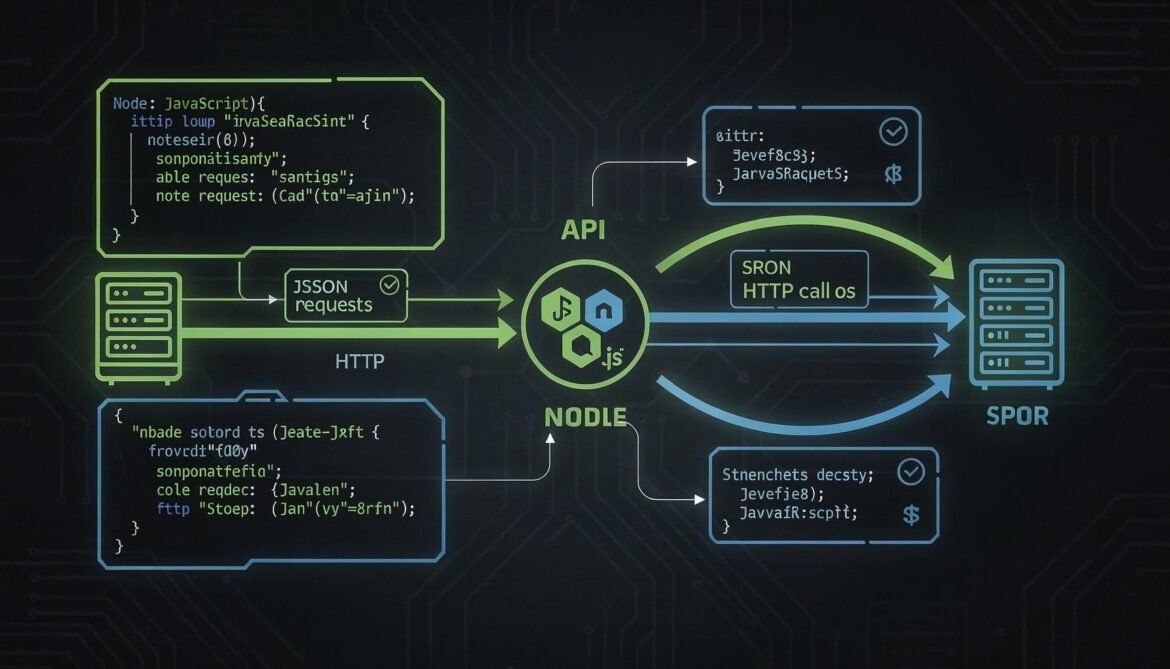
Building Your First A2A Agent Server in Node.js (Part 3 of 8)
Build a fully functional A2A-compliant agent server in Node.js from scratch. Covers the Agent Card endpoint, JSON-RPC task handler, SSE streaming, in-memory task store, push notification support, and a working test client.
Sequelize with PostgreSQL in Node.js: Part 4 – Production Ready Patterns
You’ve built a functional application with Sequelize and PostgreSQL. Now it’s time to make it production-ready. This final part covers advanced patterns including error handling,
Sequelize with PostgreSQL in Node.js: Part 3 – CRUD Operations and Services
With your models and migrations in place, it’s time to implement the actual CRUD (Create, Read, Update, Delete) operations. This part focuses on building a
Sequelize with PostgreSQL in Node.js: Part 2 – Models and Migrations
Now that you have a solid foundation with Sequelize connected to PostgreSQL, it’s time to define your data models and understand how migrations work. Models

Sequelize with PostgreSQL in Node.js: Part 1 – Setup and Configuration
Building a robust backend requires more than just writing code. It requires a solid foundation where your application can seamlessly communicate with your database. In

Building a Robust Service Scheduler in Node.js – Part 2: Core Service Infrastructure
Welcome back to our service scheduler series! In Part 1, we outlined the architecture and requirements for our robust background service system. Today, we’ll roll

Building a Robust Service Scheduler in Node.js – Part 1: Introduction and Architecture
In modern applications, we often need to run background tasks at specific intervals – whether it’s checking for updates, cleaning up data, or synchronizing with