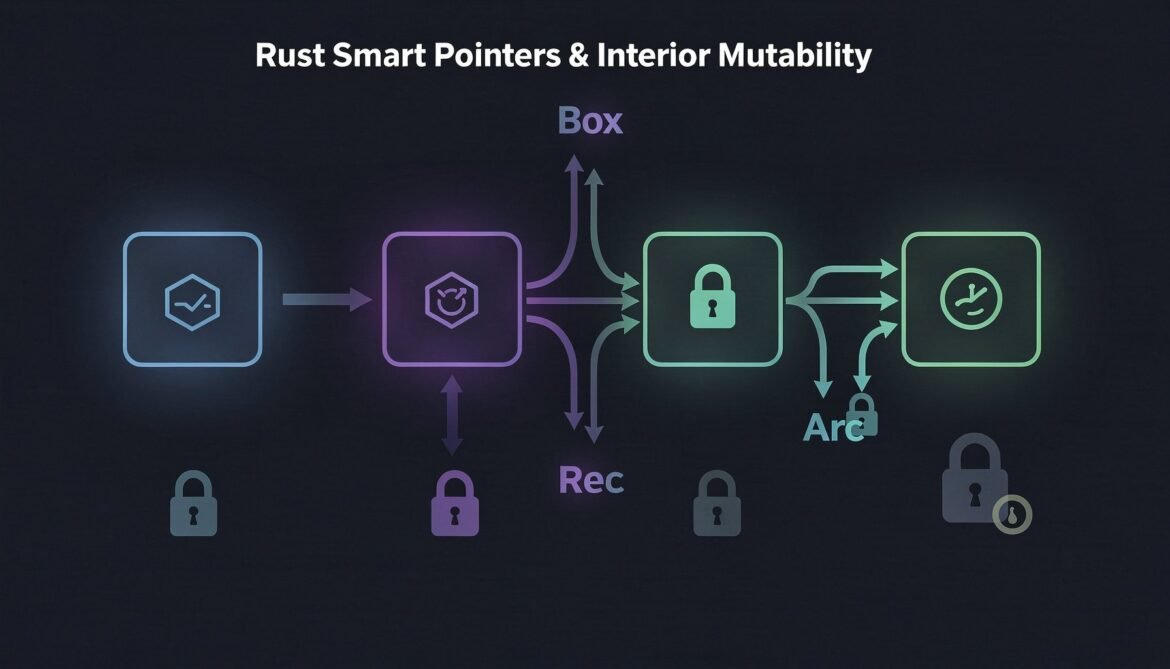
Rust’s ownership model is strict by design, but real programs need patterns like shared ownership and interior mutability. Box, Rc, Arc, RefCell, Cell, and Mutex each solve a specific problem. This post maps out when to use each one and what trade-offs you are accepting.
Category: Code stuffs
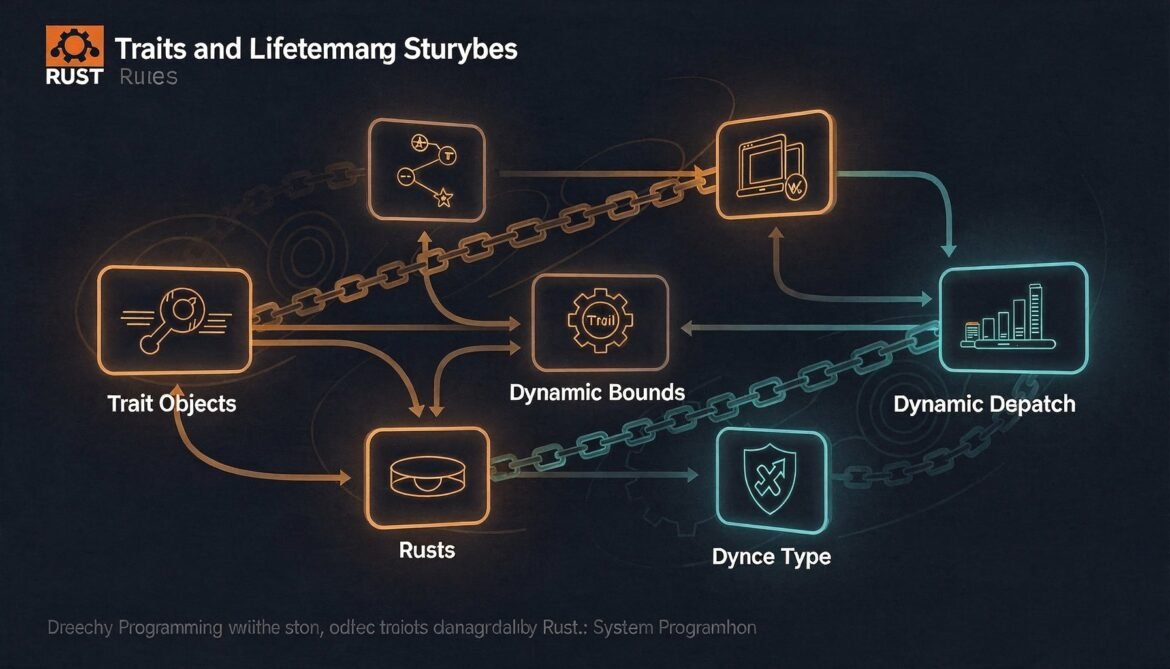
Advanced Rust Series Part 6: Lifetimes in Trait Definitions and Bounds
Traits and lifetimes interact in ways that go well beyond what you see in basic Rust. This post covers lifetime bounds on traits, trait objects with lifetimes, and higher-ranked trait bounds – the features that power flexible and safe library APIs.
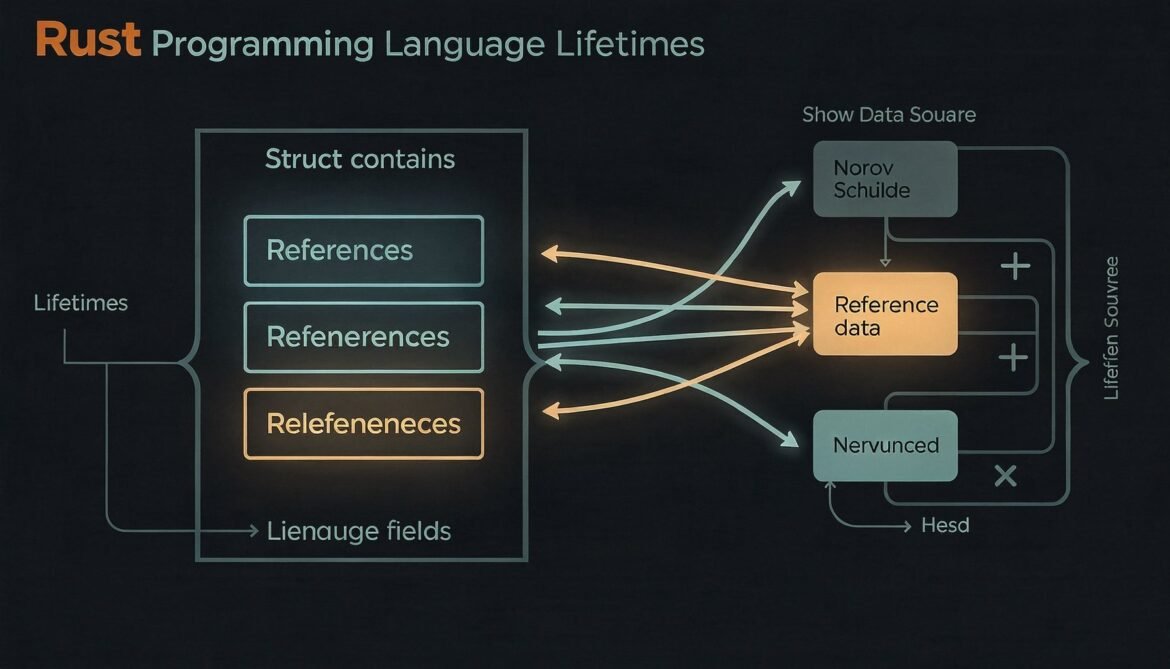
Advanced Rust Series Part 5: Lifetimes in Structs and Enums – Holding References Safely
Holding references inside structs and enums is where lifetime annotations become unavoidable. This post covers how to annotate data structures that borrow from external data, what the constraints mean in practice, and the design patterns that keep your code clean.
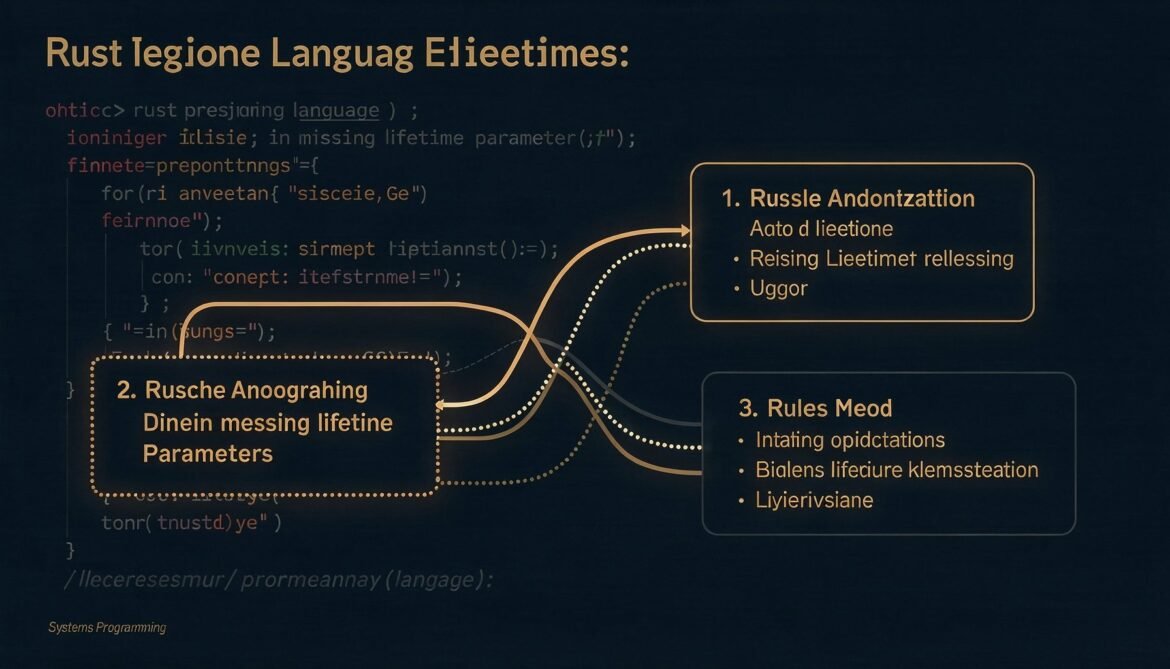
Advanced Rust Series Part 4: Lifetime Elision – What the Compiler Infers and When You Must Be Explicit
Most Rust code compiles without a single lifetime annotation. That is not luck – it is lifetime elision, a set of deterministic rules the compiler applies automatically. Understanding those rules tells you exactly when you need to write annotations and why some errors catch you off guard.
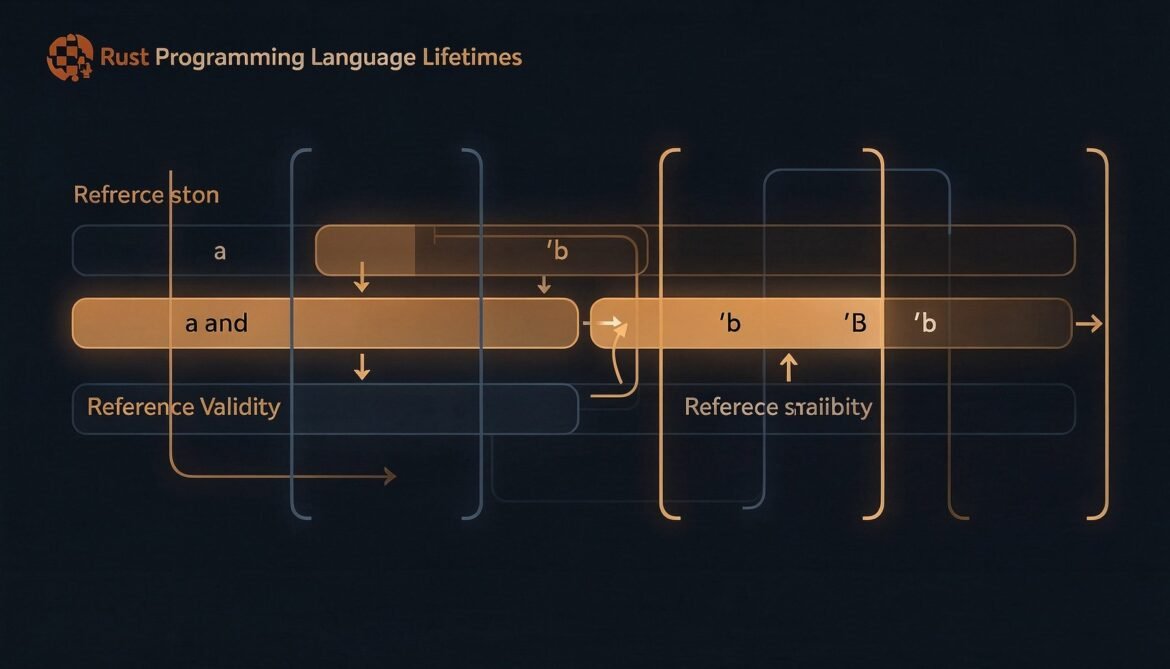
Advanced Rust Series Part 3: Lifetimes Demystified – Why They Exist and How to Read Them
Lifetimes are the part of Rust that scares developers the most. But they are not magic – they are just a way to tell the compiler how long references are valid. Once you understand what the compiler is actually asking, lifetime annotations start to make sense.
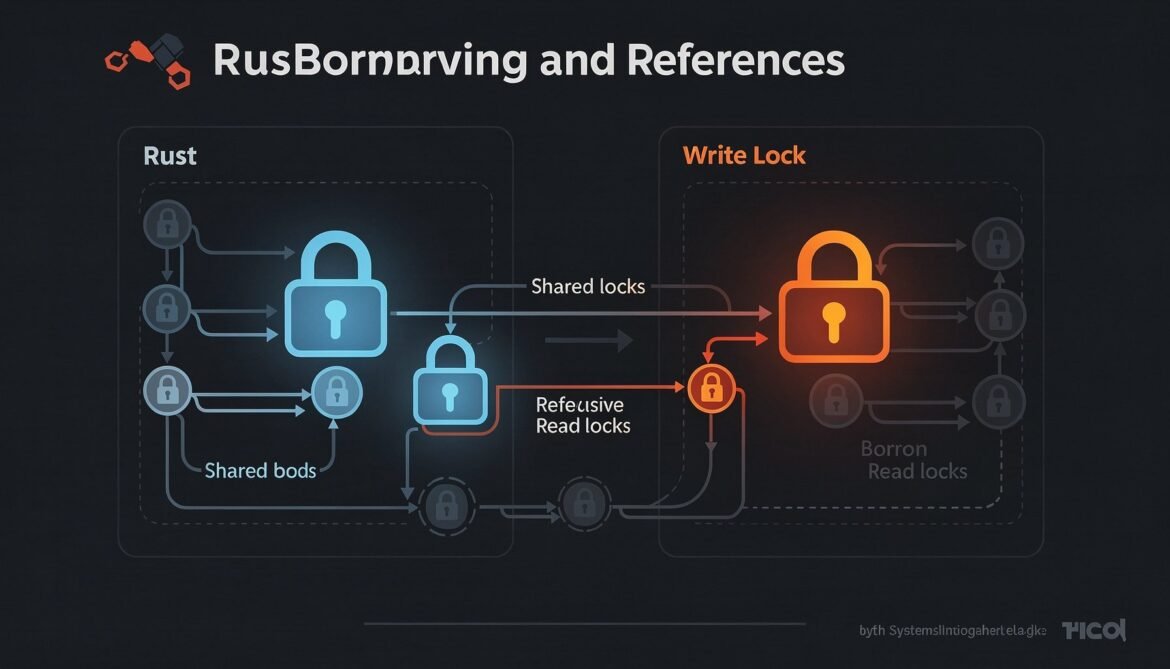
Advanced Rust Series Part 2: Borrowing Rules in Depth – The Borrow Checker Mental Model
The borrow checker is not a random obstacle – it has a clear set of rules and a consistent mental model. Once you internalize how it reasons about your code, you stop fighting it and start working with it. This post breaks down those rules at a level that changes how you write Rust.
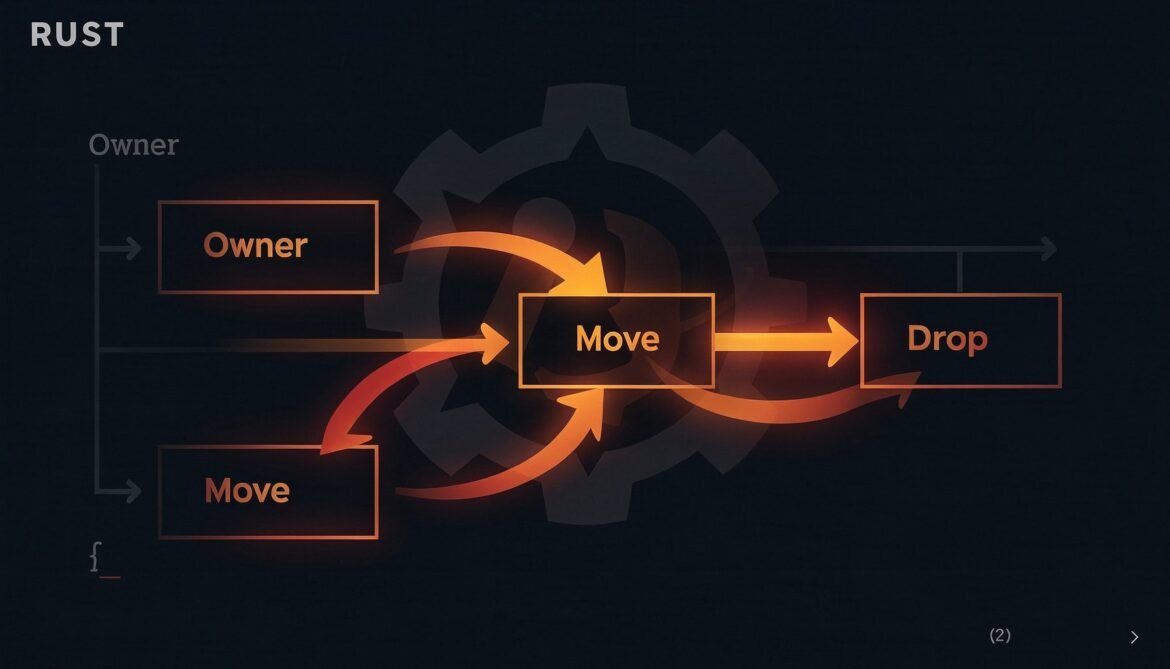
Advanced Rust Series Part 1: The Ownership Model Revisited – Beyond the Basics
Most Rust tutorials cover ownership at the surface level and move on. This post goes deeper – exploring move semantics in real code, the Copy vs Clone distinction that trips up experienced developers, and what ownership actually means for how you design production systems.
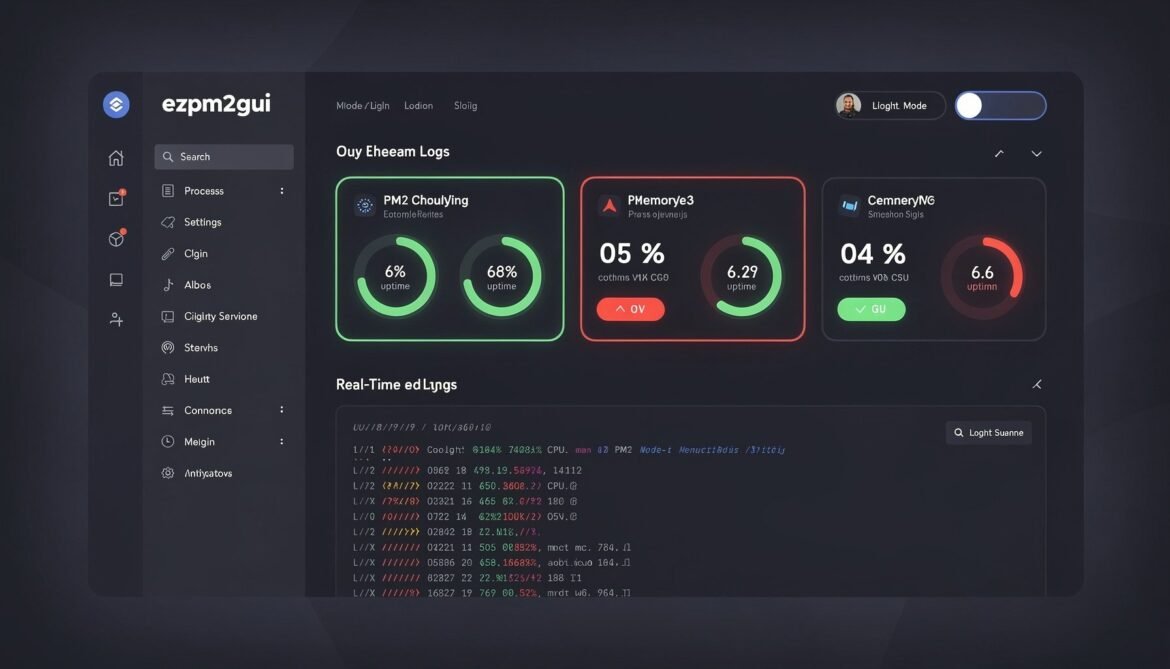
ezpm2gui v1.4.0 — A Complete Tailwind UI Revamp for Your PM2 Dashboard
ezpm2gui v1.4.0 is here with a full Tailwind CSS UI overhaul, dark/light mode across every page, two new reusable components, and backend refactoring for cleaner request handling.

Azure AI Foundry with Anthropic Claude Part 5: Enterprise C# Integration – Complete .NET Implementation Guide
Enterprise C# implementation guide for Claude in Azure AI Foundry. Learn Anthropic SDK integration, DefaultAzureCredential authentication, strongly-typed configuration, conversation management, streaming responses, dependency injection patterns, and production-ready application architecture.

Azure AI Foundry with Anthropic Claude Part 4: Python Implementation with Azure SDK – Complete Async Guide
Python’s rich ecosystem and async capabilities make it an excellent choice for building AI applications with Claude in Azure AI Foundry. This comprehensive guide demonstrates