















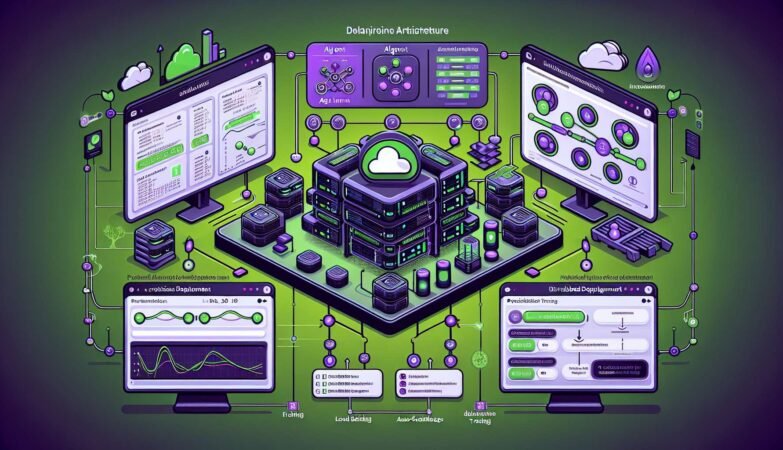










Communication Strategies: Making Technical Debt Tangible for Stakeholders
Understanding technical debt and its business impact is only the first step. The real challenge lies in communicating these concepts effectively to stakeholders who may
Come and explore with me
 Advanced Rust Series Part 9: Lifetime Patterns in Production Code – Common Mistakes and How to Fix Them
 Advanced Rust Series Part 8: The Self-Referential Struct Problem – Pin, Unpin, and Async State Machines
 Advanced Rust Series Part 7: Smart Pointers and Interior Mutability – Box, Rc, Arc, RefCell, and Mutex
 Advanced Rust Series Part 6: Lifetimes in Trait Definitions and Bounds
 Advanced Rust Series Part 5: Lifetimes in Structs and Enums – Holding References Safely
 Azure CLI + GitHub Copilot in VS Code: What Actually Works in 2026
 Advanced Rust Series Part 4: Lifetime Elision – What the Compiler Infers and When You Must Be Explicit
 Advanced Rust Series Part 3: Lifetimes Demystified – Why They Exist and How to Read Them
 Advanced Rust Series Part 2: Borrowing Rules in Depth – The Borrow Checker Mental Model
 Advanced Rust Series Part 1: The Ownership Model Revisited – Beyond the Basics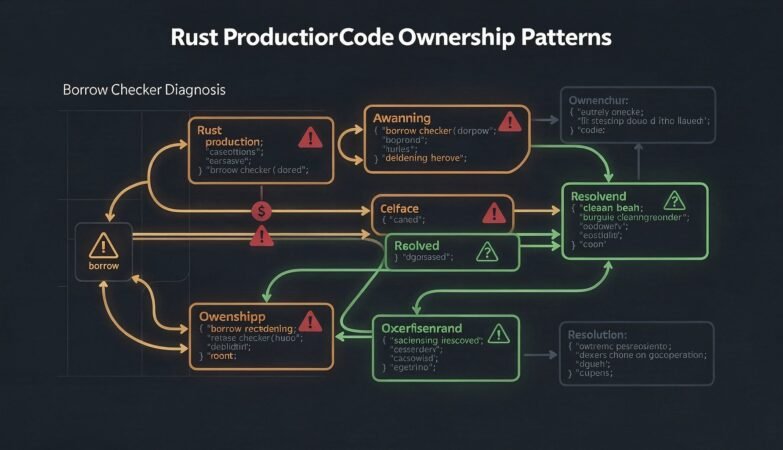





Understanding technical debt and its business impact is only the first step. The real challenge lies in communicating these concepts effectively to stakeholders who may
Now that we understand what technical debt is and why it accumulates, let’s examine its real-world business impact. Technical debt isn’t an abstract developer concern—it
If you’ve ever sat in a meeting where developers mentioned “technical debt” and watched stakeholders’ eyes glaze over, you’re not alone. Technical debt is one
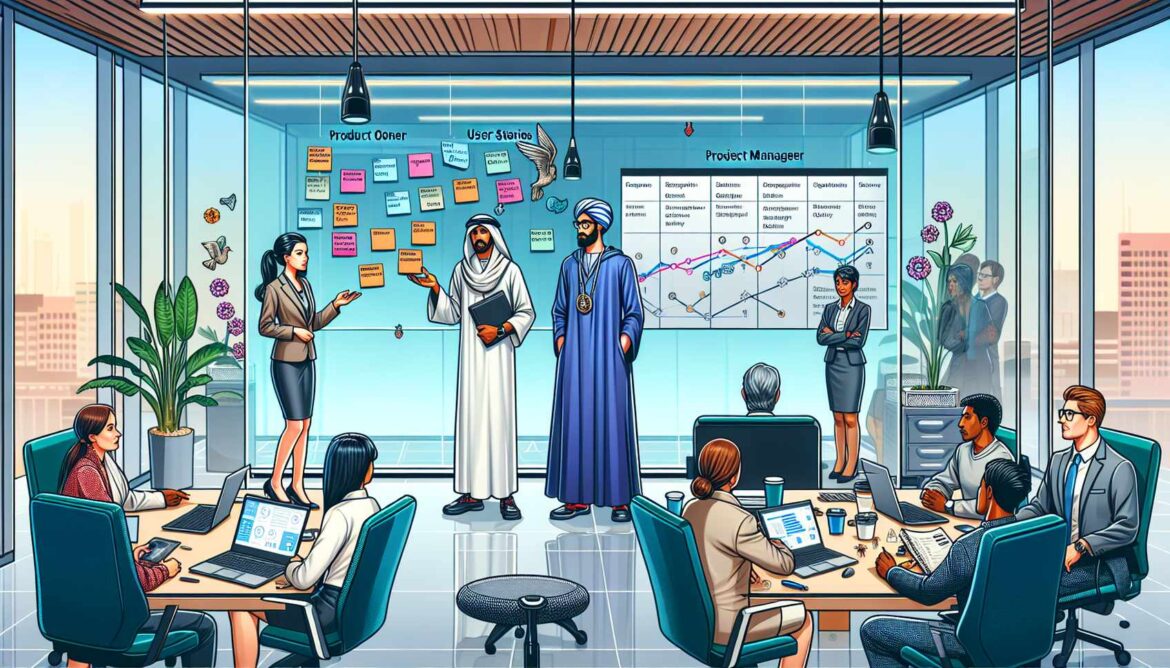
Now that we’ve explored each role individually, it’s time to bring together our understanding of Product Owners, Project Managers, and Scrum Masters. While these roles
If Product Owners focus on what gets built and Project Managers focus on when it gets delivered, Scrum Masters focus on how teams work together
While Product Owners focus on what gets built and why, Project Managers are the orchestrators who ensure it gets built efficiently, on time, and within
The Product Owner role emerged from Agile and Scrum methodologies as organizations recognized the need for someone to bridge the gap between business strategy and
In the fast-paced world of software development and project management, three critical roles often get mixed up or misunderstood: Product Owner, Project Manager, and Scrum
Technical specifications must serve both as development guidance and stakeholder communication tools. This final post explores validation strategies and communication techniques that ensure specifications lead to successful software delivery.
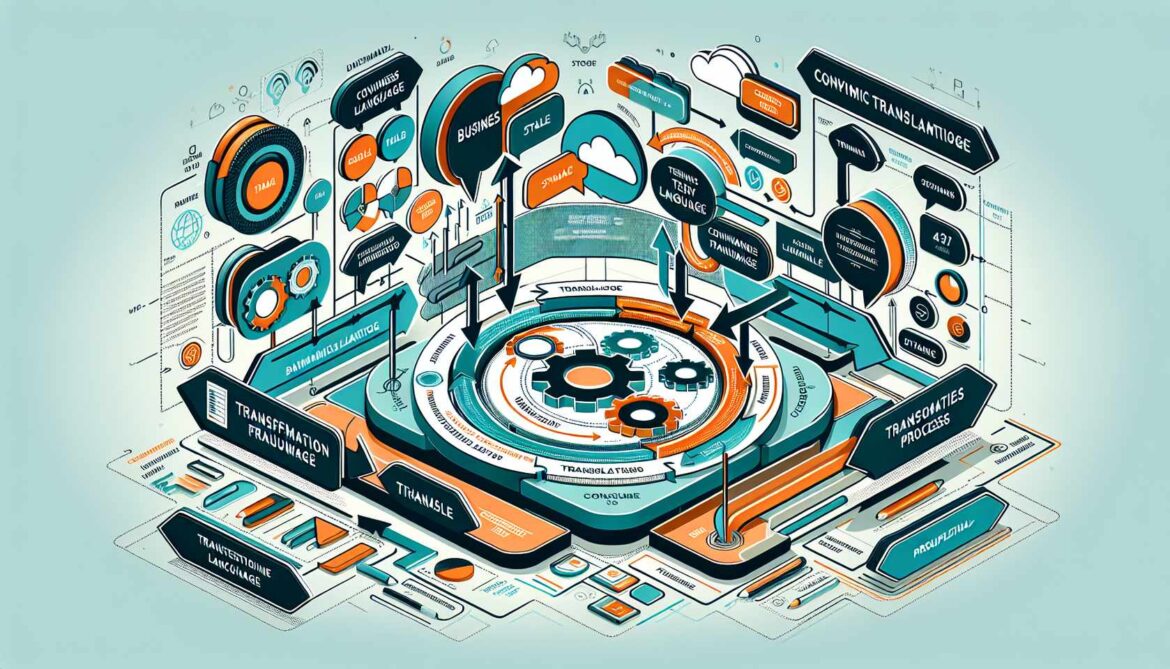
Converting business language to technical language requires systematic techniques for decomposing requirements, handling conflicts, and managing scope. This deep dive explores the frameworks and methods that make translation effective.