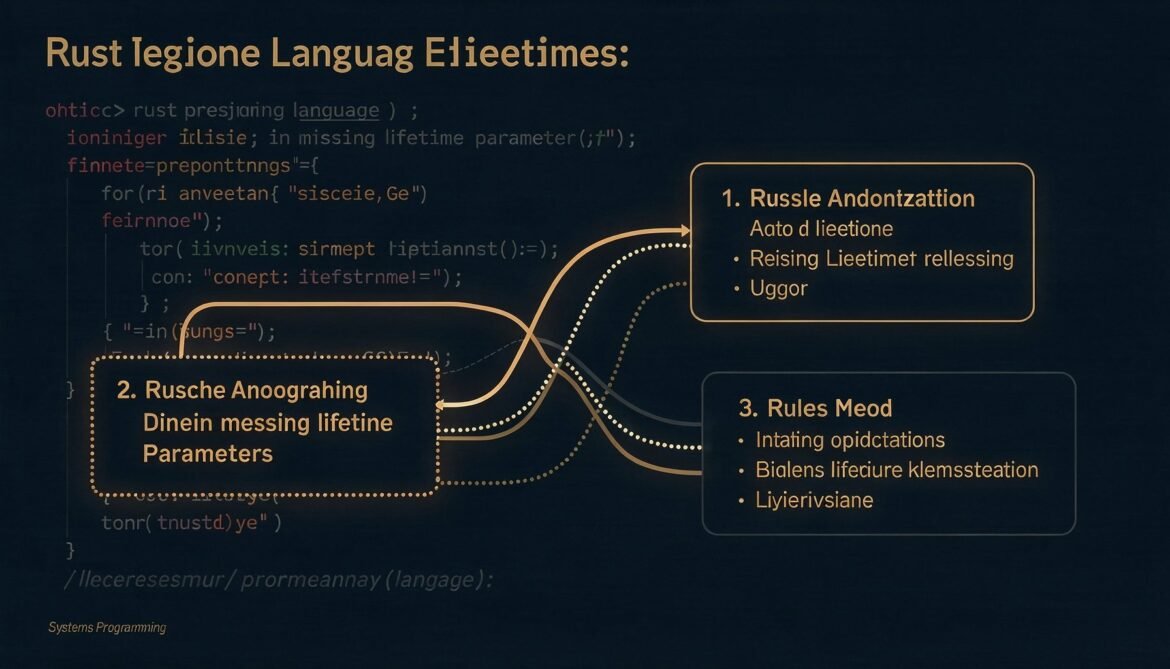
Most Rust code compiles without a single lifetime annotation. That is not luck – it is lifetime elision, a set of deterministic rules the compiler applies automatically. Understanding those rules tells you exactly when you need to write annotations and why some errors catch you off guard.
Category: Systems Programming
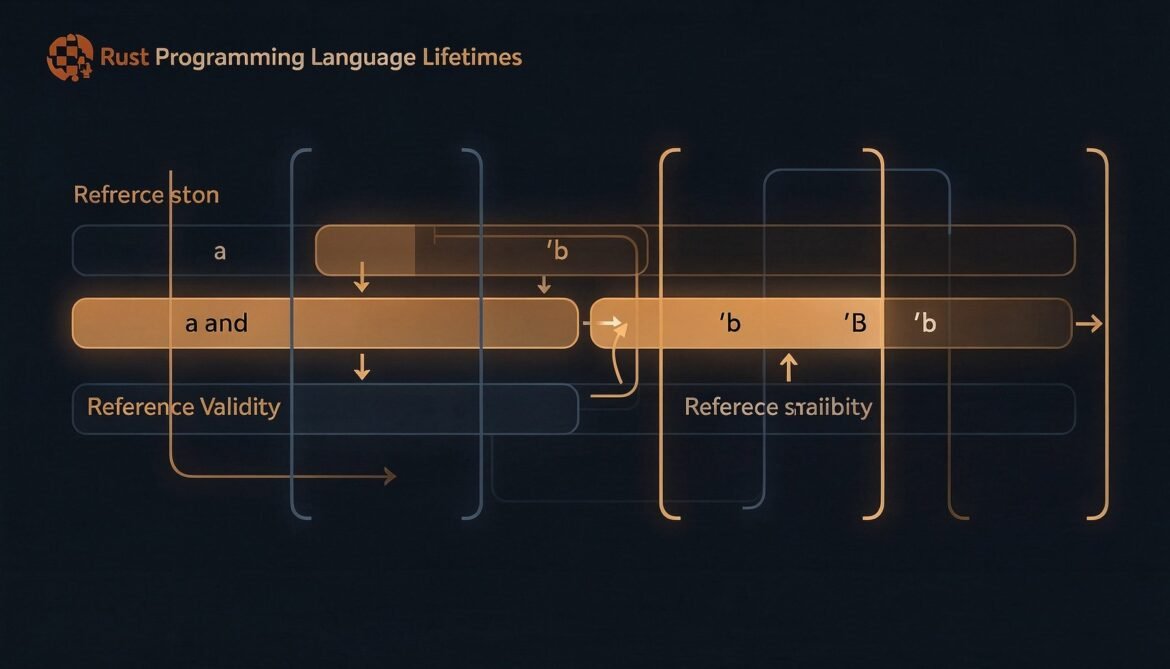
Advanced Rust Series Part 3: Lifetimes Demystified – Why They Exist and How to Read Them
Lifetimes are the part of Rust that scares developers the most. But they are not magic – they are just a way to tell the compiler how long references are valid. Once you understand what the compiler is actually asking, lifetime annotations start to make sense.
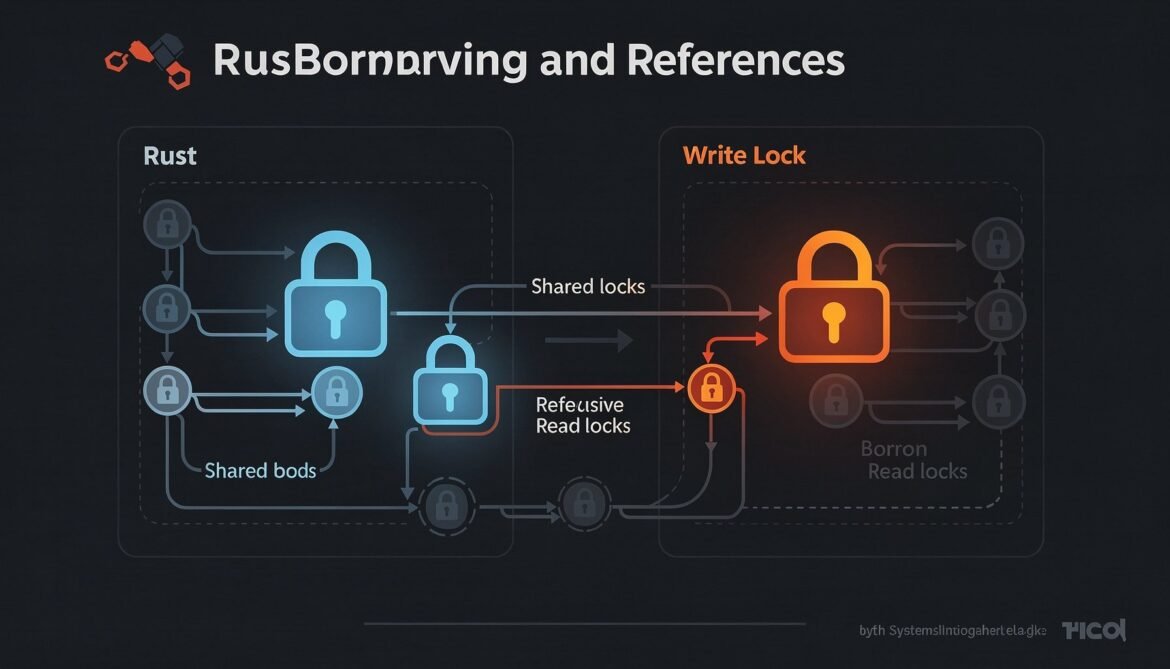
Advanced Rust Series Part 2: Borrowing Rules in Depth – The Borrow Checker Mental Model
The borrow checker is not a random obstacle – it has a clear set of rules and a consistent mental model. Once you internalize how it reasons about your code, you stop fighting it and start working with it. This post breaks down those rules at a level that changes how you write Rust.
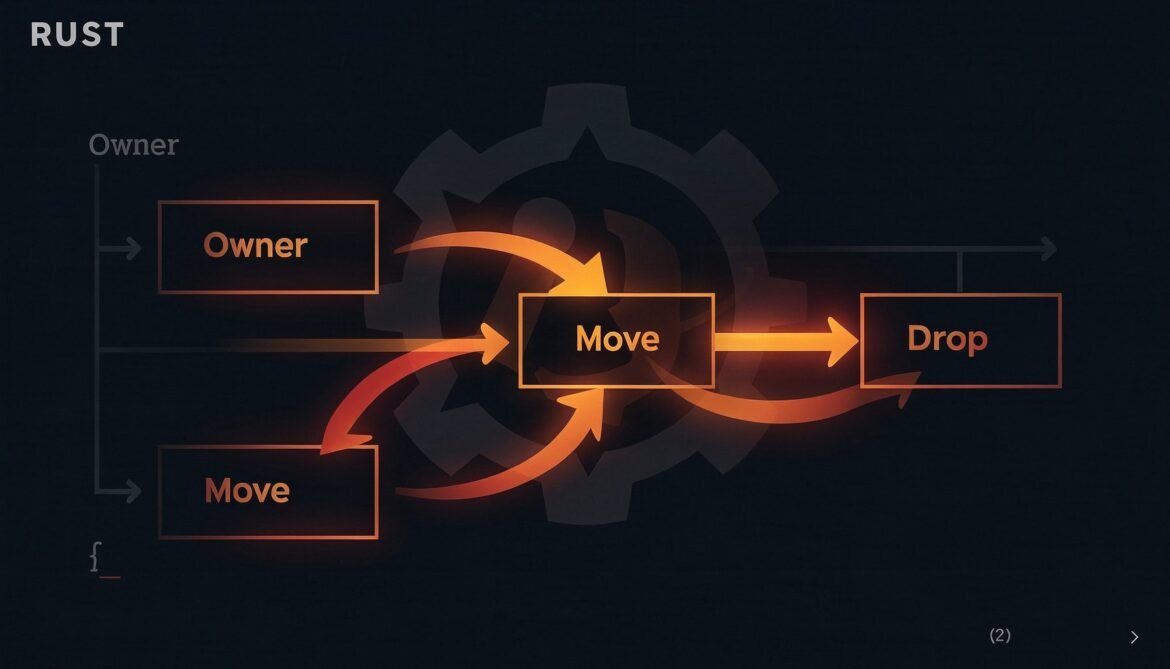
Advanced Rust Series Part 1: The Ownership Model Revisited – Beyond the Basics
Most Rust tutorials cover ownership at the surface level and move on. This post goes deeper – exploring move semantics in real code, the Copy vs Clone distinction that trips up experienced developers, and what ownership actually means for how you design production systems.

What is Rust? The Why Behind the Language
Discover why Rust is becoming the world’s most-loved programming language. From Firefox’s memory safety challenges to powering blockchain, cloud infrastructure, and modern systems programming, learn the story behind Rust and why 2.3 million developers are embracing it in 2025.