Most Rust code compiles without a single lifetime annotation. That is not luck – it is lifetime elision, a set of deterministic rules the compiler applies automatically. Understanding those rules tells you exactly when you need to write annotations and why some errors catch you off guard.
Category: Programming
Advanced Rust Series Part 3: Lifetimes Demystified – Why They Exist and How to Read Them
Lifetimes are the part of Rust that scares developers the most. But they are not magic – they are just a way to tell the compiler how long references are valid. Once you understand what the compiler is actually asking, lifetime annotations start to make sense.
Advanced Rust Series Part 2: Borrowing Rules in Depth – The Borrow Checker Mental Model
The borrow checker is not a random obstacle – it has a clear set of rules and a consistent mental model. Once you internalize how it reasons about your code, you stop fighting it and start working with it. This post breaks down those rules at a level that changes how you write Rust.
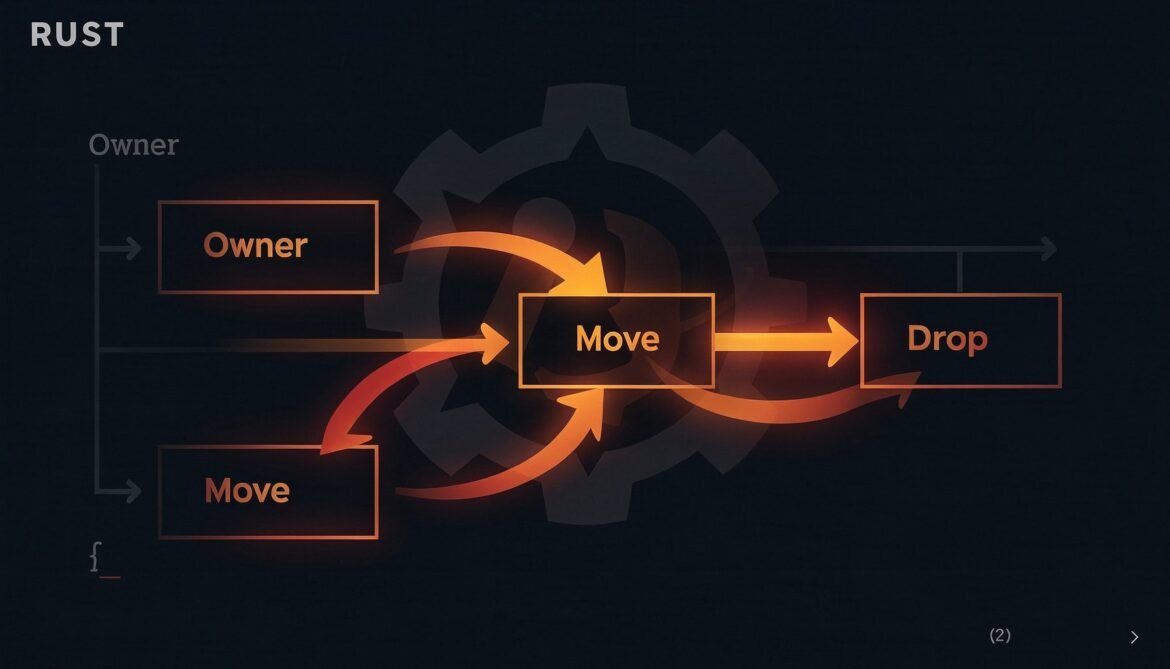
Advanced Rust Series Part 1: The Ownership Model Revisited – Beyond the Basics
Most Rust tutorials cover ownership at the surface level and move on. This post goes deeper – exploring move semantics in real code, the Copy vs Clone distinction that trips up experienced developers, and what ownership actually means for how you design production systems.
The 2026 Developer Landscape: Languages, Tools, and the Agentic Coding Revolution
From Rust taking over systems programming to TypeScript becoming the universal default, the 2026 developer landscape is defined by performance, safety, and AI-assisted workflows. Here is what every developer needs to know right now.

Building Production-Ready Claude Skills: A Complete Guide to Extending AI Capabilities with Custom Workflows
Learn how to build production-ready Claude Skills that extend AI capabilities through modular, filesystem-based components. This comprehensive guide covers architecture principles, implementation in Node.js, Python, and C#, API integration, and real-world enterprise use cases.

Claude Sonnet 4.5: A Comprehensive Guide to Anthropic’s Most Powerful Coding Model
Explore Claude Sonnet 4.5, Anthropic’s most powerful coding model with 30+ hour autonomous operation, 77.2% SWE-bench score, and comprehensive API integration examples in Python, Node.js, and C#.
Model Context Protocol Part 3: Building MCP Servers in Node.js and C# – Cross-Platform Implementation Guide
Master MCP server development across platforms. Comprehensive guide comparing Node.js TypeScript and C# .NET implementations with production-ready code examples, deployment strategies, and platform selection guidance.
Model Context Protocol Part 2: Building Your First MCP Server with Python and FastMCP
Learn to build production-ready MCP servers with Python and FastMCP. Step-by-step guide covering tools, resources, database integration, error handling, testing, and Claude Desktop integration with complete working examples.
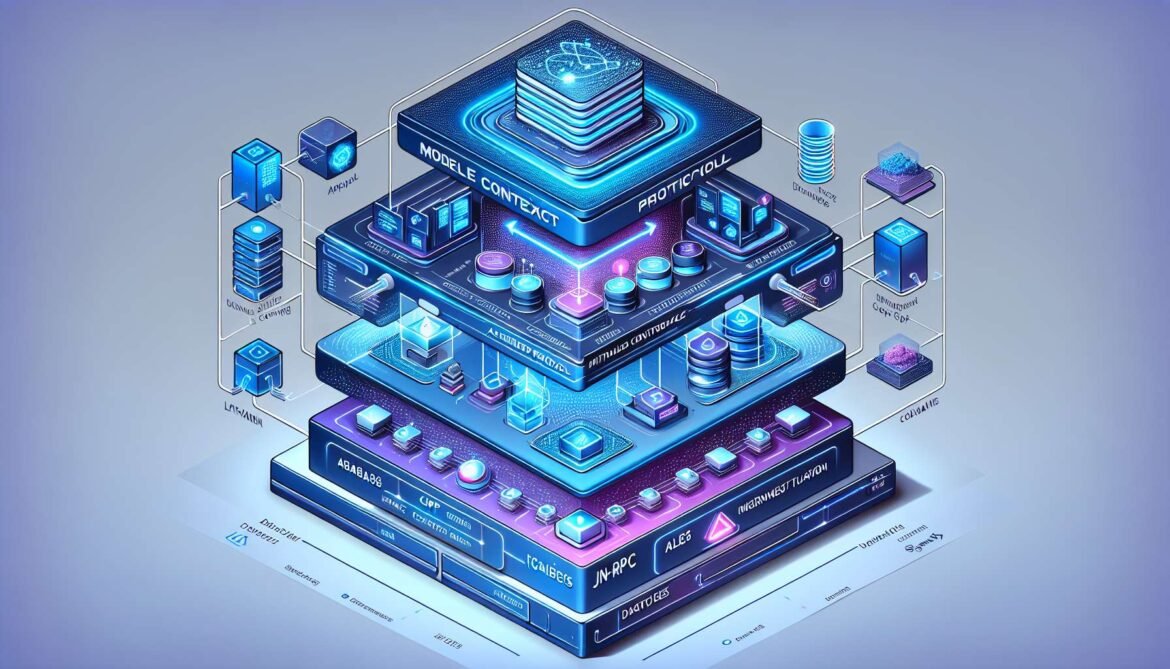
Model Context Protocol Part 1: Understanding the New Standard for AI-Data Integration
Explore the Model Context Protocol (MCP), the emerging standard for AI-data integration. Learn MCP’s client-host-server architecture, JSON-RPC messaging, capability negotiation, and how it solves the enterprise AI integration challenge.