Comprehensive guide to building production-ready Node.js applications with Claude in Azure AI Foundry. Learn environment setup, TypeScript configuration, basic and advanced chat implementations, Entra ID authentication, multi-turn conversations, streaming responses, error handling with exponential backoff, cost optimization through prompt caching, and complete application examples.
Category: node.js
OpenTelemetry for Node.js with Azure Monitor: Complete Implementation Guide
Learn how to implement OpenTelemetry instrumentation for Node.js applications with Azure Monitor. Complete guide covering Express and Fastify frameworks, automatic instrumentation, custom spans, custom metrics, production configuration, and migration from legacy Application Insights SDK.
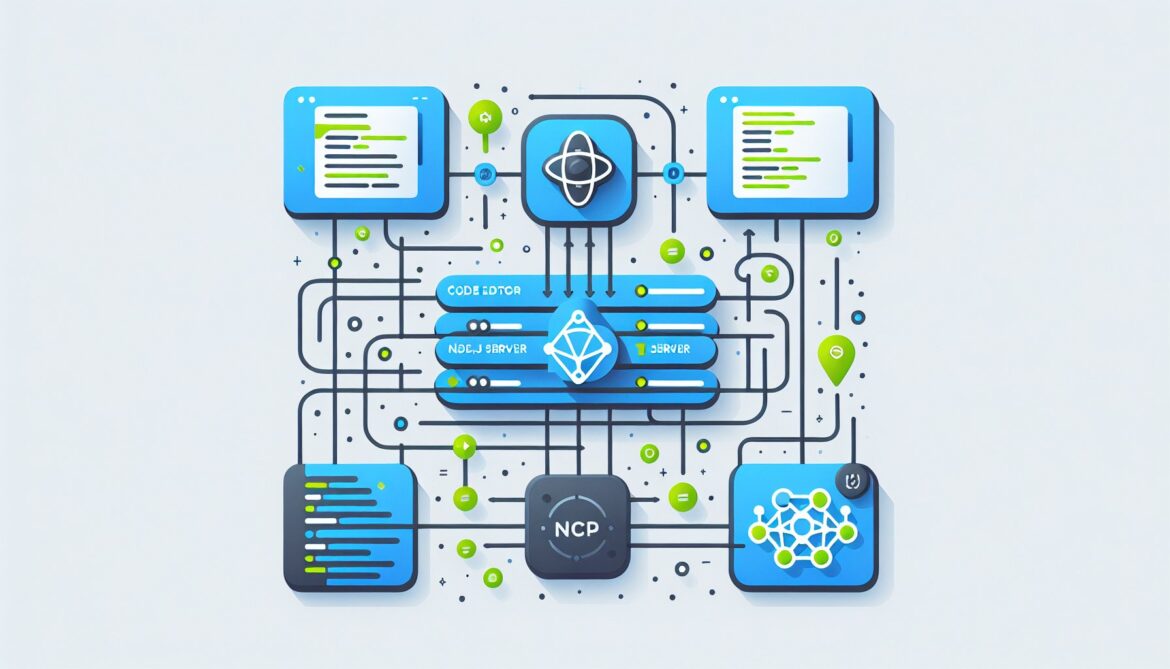
Building Your First MCP Server with Node.js
Learn how to build a simple MCP server with Node.js. This beginner-friendly guide walks you through creating, testing, and running your first MCP server using the MCP Inspector.
Sequelize with PostgreSQL in Node.js: Part 4 – Production Ready Patterns
You’ve built a functional application with Sequelize and PostgreSQL. Now it’s time to make it production-ready. This final part covers advanced patterns including error handling,
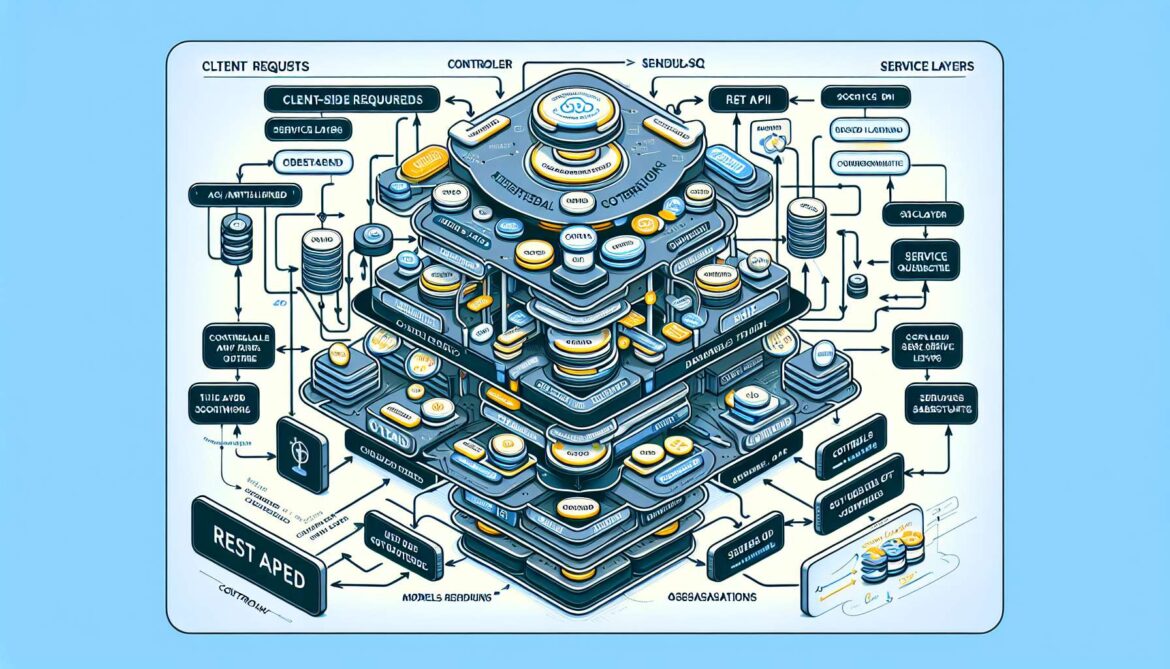
Sequelize with PostgreSQL in Node.js: Part 3 – CRUD Operations and Services
With your models and migrations in place, it’s time to implement the actual CRUD (Create, Read, Update, Delete) operations. This part focuses on building a
Sequelize with PostgreSQL in Node.js: Part 2 – Models and Migrations
Now that you have a solid foundation with Sequelize connected to PostgreSQL, it’s time to define your data models and understand how migrations work. Models

Sequelize with PostgreSQL in Node.js: Part 1 – Setup and Configuration
Building a robust backend requires more than just writing code. It requires a solid foundation where your application can seamlessly communicate with your database. In

Real-Time WebSocket Architecture Series: Part 8 – Edge Computing WebSockets with Ultra-Low Latency
Welcome to the final part of our Real-Time WebSocket Architecture series! We’ve explored WebSocket fundamentals, scaling strategies, and serverless implementations. Now we’re tackling the future
Real-Time WebSocket Architecture Series: Part 6 – Production-Grade Features
Part 6: Production-grade WebSocket features including automatic reconnection with exponential backoff, heartbeat monitoring, message acknowledgments, state recovery, and graceful shutdown.
Real-Time WebSocket Architecture Series: Part 5 – Scaling with Redis
Part 5: Scale WebSocket applications horizontally using Redis. Learn Redis adapter setup, sticky sessions, load balancing strategies, and cluster monitoring for 10,000+ concurrent connections.