





























Shell Script Hack #4: Process Substitution – No More Temporary Files
Ever needed to compare files, process command output, or avoid creating unnecessary temporary files? Most developers create temp files for everything. There’s a cleaner, faster
Come and explore with me
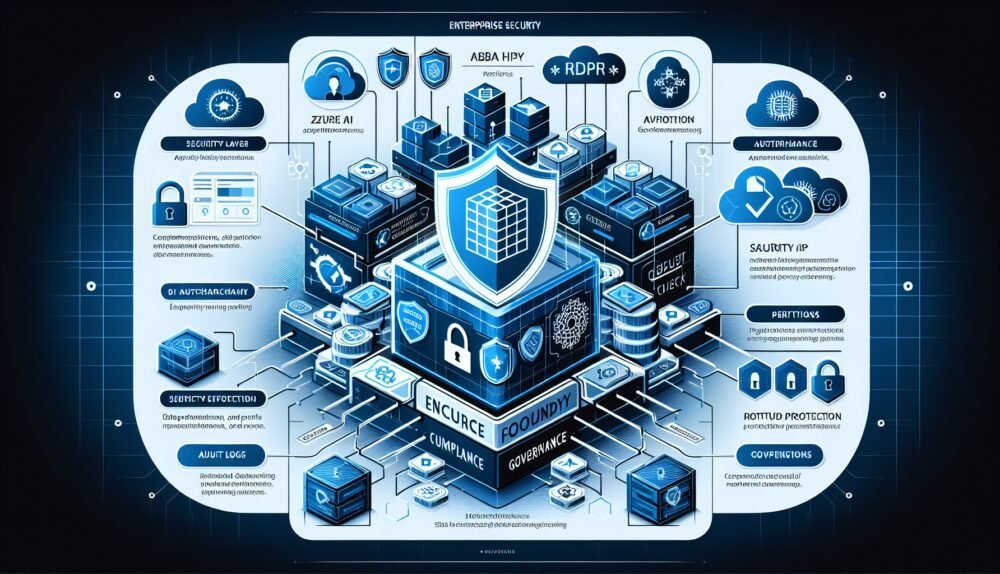
 Enterprise IT Under Siege in 2026: 22-Second Breaches, Zero Trust Imperatives, and the Industrialized Threat Machine
 Prompt Caching and Context Engineering in Production: What It Is and Why It Matters in 2026
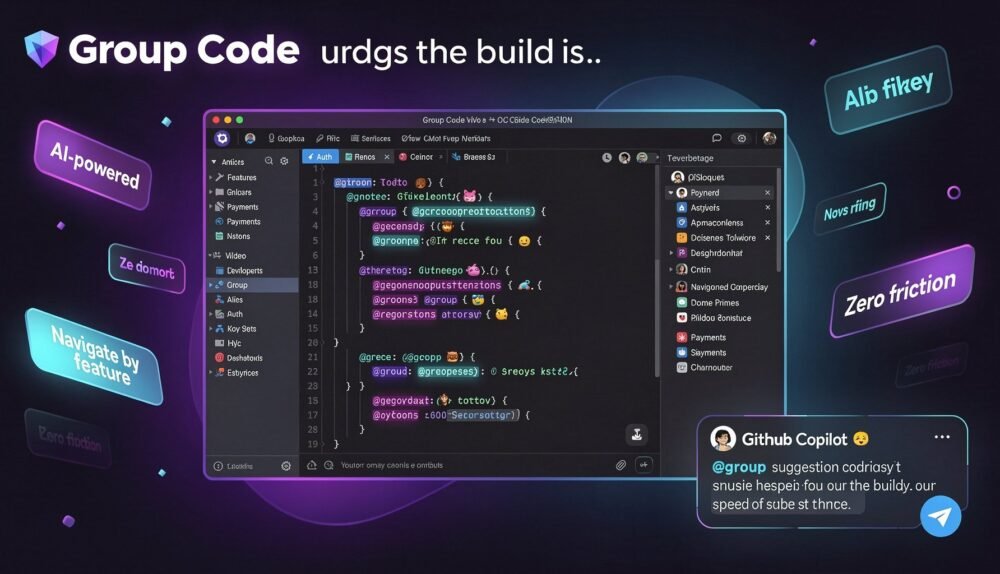
 Group Code: The VS Code Extension Built for Vibe Coders Who Move Fast and Build Things
 Group Code v1.8.0 — Hover Cards, 193 Tests, and Smarter @group Navigation for VS Code
 The 2026 Developer Landscape: Languages, Tools, and the Agentic Coding Revolution
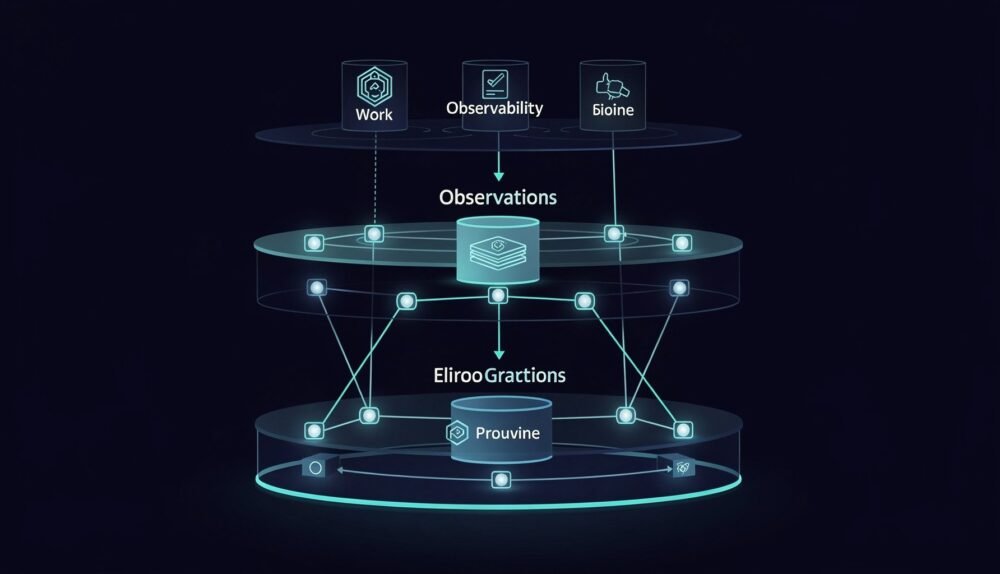
 Building a Complete LLMOps Stack: From Zero to Production-Grade Observability
 Cost Governance and FinOps for LLM Workloads
 Inside the 2026 Hardware Revolution: Quantum Milestones, AI Energy Demands, and the Race for Silicon
 RAG Pipeline Observability: Tracing Retrieval, Chunking, and Embedding Quality
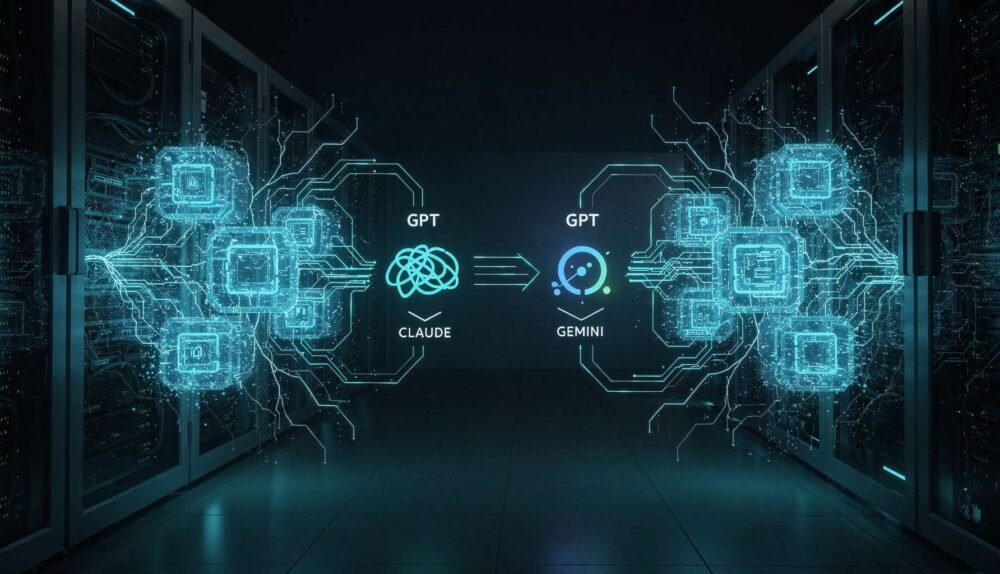
 The LLM Landscape in March 2026: Open Source Catches Up, Local AI Goes Mainstream






Ever needed to compare files, process command output, or avoid creating unnecessary temporary files? Most developers create temp files for everything. There’s a cleaner, faster
Daily habits and desk exercises to keep IT professionals healthy and productive. Simple practices you can implement today for long term wellness.
It’s Friday at 5 PM. Everyone’s logging off. But you’re already planning to work tonight. Maybe tomorrow too. I need to tell you something that sounds impossible: You don’t have to work nights and weekends. Not to succeed. You just don’t.
Learn how to set up an ergonomic workspace that protects your body while coding. Practical tips on desk height, monitor placement, chair selection, and more.
Your script creates temporary files, opens connections, or starts background processes. Then something goes wrong: the user hits Ctrl+C, the system runs out of memory,
Tomorrow your manager will ask if you can take on one more thing. You’ll say yes. Because you always say yes. Because no feels like letting people down. I need to tell you: It’s okay to say no. Sometimes it’s the only thing that will save you.
Discover the hidden physical health risks affecting 73% of IT professionals and why understanding these challenges is the first step toward a healthier tech career.
Need to process thousands of files but don’t want to wait hours? The xargs command combined with parallel processing can turn a 2-hour job into
Ever needed to quickly backup a file before editing it? Most developers do this the tedious way by typing the filename twice. There’s a much
You just got the job offer. Instead of celebrating, you’re terrified. Convinced they made a mistake. That you’ll be exposed as a fraud within days. I need you to hear this: You’re not a fraud. You never were.