



















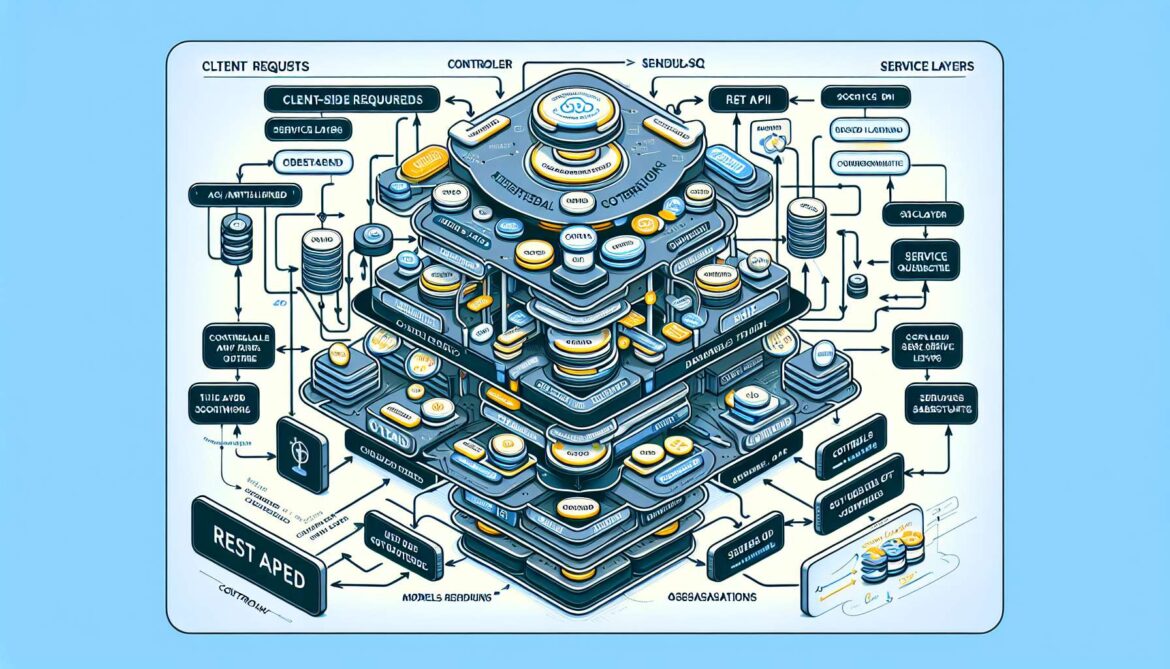
Sequelize with PostgreSQL in Node.js: Part 3 – CRUD Operations and Services
With your models and migrations in place, it’s time to implement the actual CRUD (Create, Read, Update, Delete) operations. This part focuses on building a
Come and explore with me
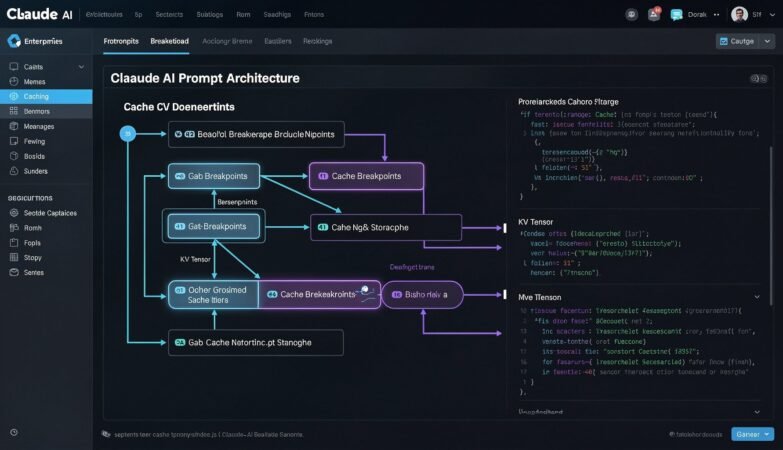
 Prompt Caching with Claude Sonnet 4.6: cache_control Breakpoints, TTL Strategies, and Node.js Production Implementation
 Enterprise IT Under Siege in 2026: 22-Second Breaches, Zero Trust Imperatives, and the Industrialized Threat Machine
 Prompt Caching and Context Engineering in Production: What It Is and Why It Matters in 2026
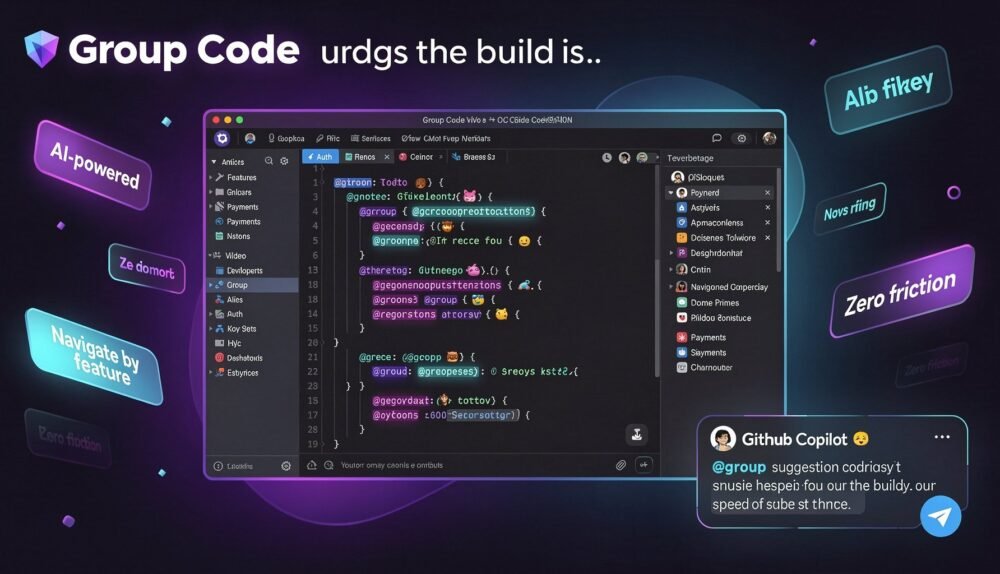
 Group Code: The VS Code Extension Built for Vibe Coders Who Move Fast and Build Things
 Group Code v1.8.0 — Hover Cards, 193 Tests, and Smarter @group Navigation for VS Code
 The 2026 Developer Landscape: Languages, Tools, and the Agentic Coding Revolution
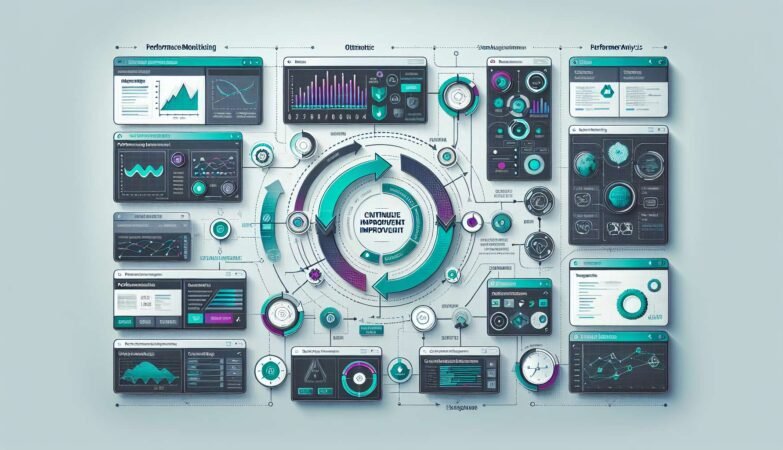
 Building a Complete LLMOps Stack: From Zero to Production-Grade Observability
 Cost Governance and FinOps for LLM Workloads
 Inside the 2026 Hardware Revolution: Quantum Milestones, AI Energy Demands, and the Race for Silicon
 RAG Pipeline Observability: Tracing Retrieval, Chunking, and Embedding Quality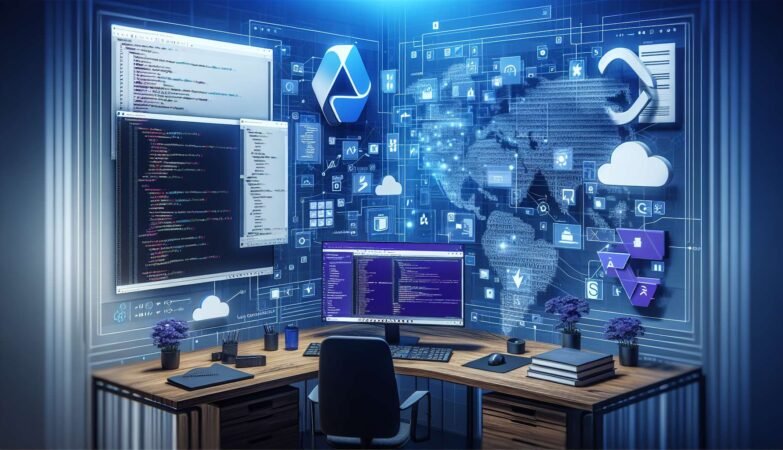
With your models and migrations in place, it’s time to implement the actual CRUD (Create, Read, Update, Delete) operations. This part focuses on building a
You’ve been refactoring the same function for two hours. It works. It’s tested. But it’s not perfect. So you keep polishing while the deadline slides past and perfection never quite arrives.
It was 3 AM. My coffee was cold, my eyes were burning, and I was staring at yet another rejection email. “Your profile doesn’t quite
Now that you have a solid foundation with Sequelize connected to PostgreSQL, it’s time to define your data models and understand how migrations work. Models
Building a robust backend requires more than just writing code. It requires a solid foundation where your application can seamlessly communicate with your database. In
It’s 9 PM. You’re having dinner. Your phone buzzes. A Slack message. You ignore it. It buzzes again. Your partner gives you that look. The invisible leash just pulled.
A heartfelt letter to hiring managers about automated rejections, unseen portfolios, and a broken system that filters out talented candidates before they ever get a chance to prove what they can do.
They said just this once. Just until launch. That was three months ago. You’re working 60-hour weeks and can’t remember when you last saw sunlight. The emergency never ended.
Explore the future of computer vision technology, emerging trends, and MediaPipe’s evolution. Discover how quantum computing, edge AI, and multimodal systems will revolutionize visual intelligence in the coming decade.
Master advanced MediaPipe techniques including custom model training, enterprise deployment, and framework extension. Learn to build production-scale computer vision systems with monitoring, optimization, and scalability.