





























Understanding Technical Debt: The Foundation Every Stakeholder Needs
If you’ve ever sat in a meeting where developers mentioned “technical debt” and watched stakeholders’ eyes glaze over, you’re not alone. Technical debt is one
Come and explore with me
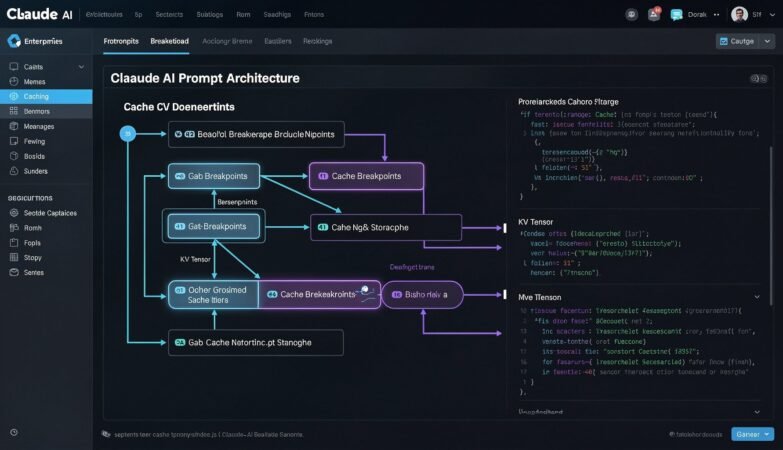
 Prompt Caching with Claude Sonnet 4.6: cache_control Breakpoints, TTL Strategies, and Node.js Production Implementation
 Enterprise IT Under Siege in 2026: 22-Second Breaches, Zero Trust Imperatives, and the Industrialized Threat Machine
 Prompt Caching and Context Engineering in Production: What It Is and Why It Matters in 2026
 Group Code: The VS Code Extension Built for Vibe Coders Who Move Fast and Build Things
 Group Code v1.8.0 — Hover Cards, 193 Tests, and Smarter @group Navigation for VS Code
 The 2026 Developer Landscape: Languages, Tools, and the Agentic Coding Revolution
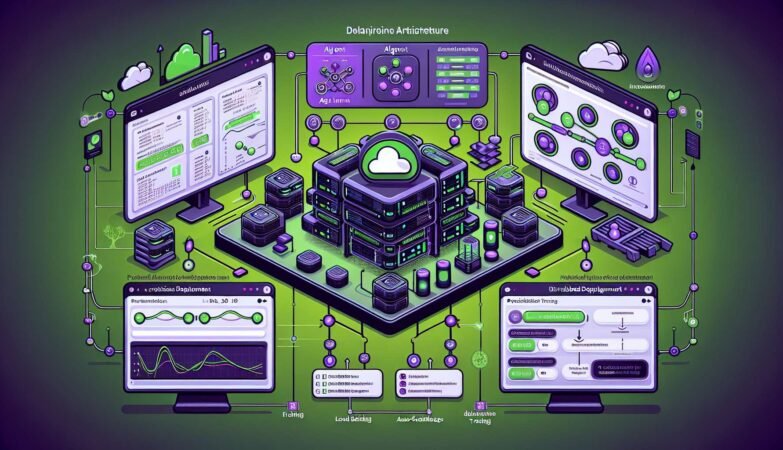
 Building a Complete LLMOps Stack: From Zero to Production-Grade Observability
 Cost Governance and FinOps for LLM Workloads
 Inside the 2026 Hardware Revolution: Quantum Milestones, AI Energy Demands, and the Race for Silicon
 RAG Pipeline Observability: Tracing Retrieval, Chunking, and Embedding Quality





If you’ve ever sat in a meeting where developers mentioned “technical debt” and watched stakeholders’ eyes glaze over, you’re not alone. Technical debt is one
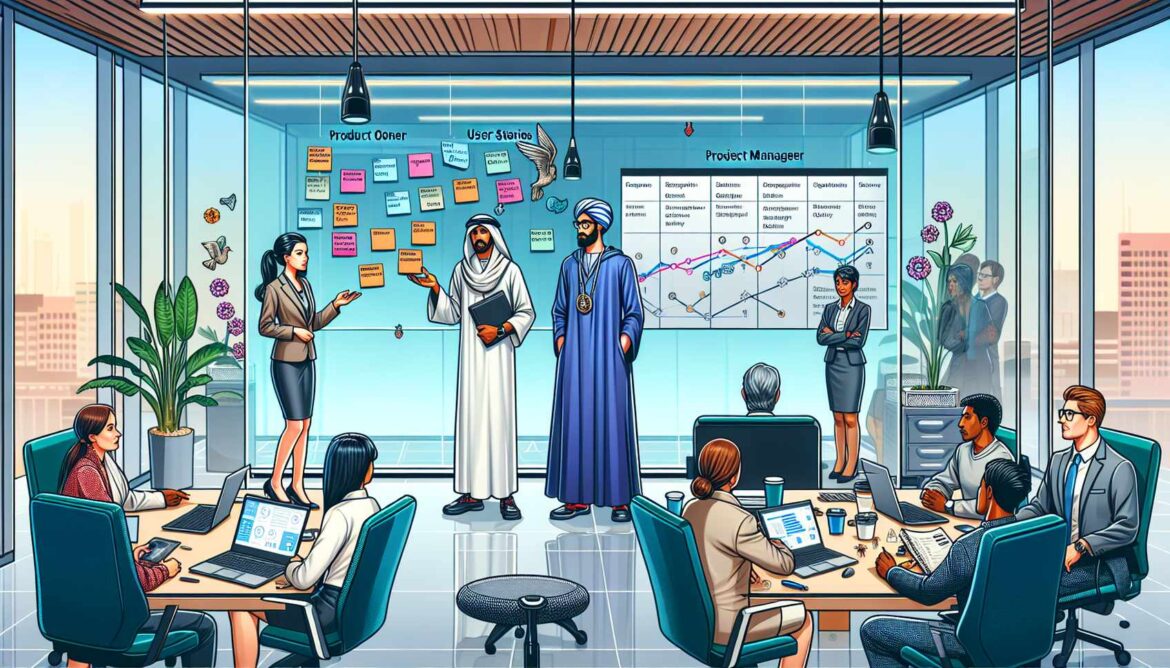
Now that we’ve explored each role individually, it’s time to bring together our understanding of Product Owners, Project Managers, and Scrum Masters. While these roles
If Product Owners focus on what gets built and Project Managers focus on when it gets delivered, Scrum Masters focus on how teams work together
While Product Owners focus on what gets built and why, Project Managers are the orchestrators who ensure it gets built efficiently, on time, and within
The Product Owner role emerged from Agile and Scrum methodologies as organizations recognized the need for someone to bridge the gap between business strategy and
In the fast-paced world of software development and project management, three critical roles often get mixed up or misunderstood: Product Owner, Project Manager, and Scrum
Technical specifications must serve both as development guidance and stakeholder communication tools. This final post explores validation strategies and communication techniques that ensure specifications lead to successful software delivery.
Converting business language to technical language requires systematic techniques for decomposing requirements, handling conflicts, and managing scope. This deep dive explores the frameworks and methods that make translation effective.
Business analysts bridge two worlds by translating vague business ideas into precise technical specifications. This challenging role requires understanding both business outcomes and technical constraints to create specs that actually work.
User stories enable rapid iteration and user-focused development when applied correctly. This final post explores when stories work better than use cases, how to write stories that drive good development, and practical techniques for story-driven projects.