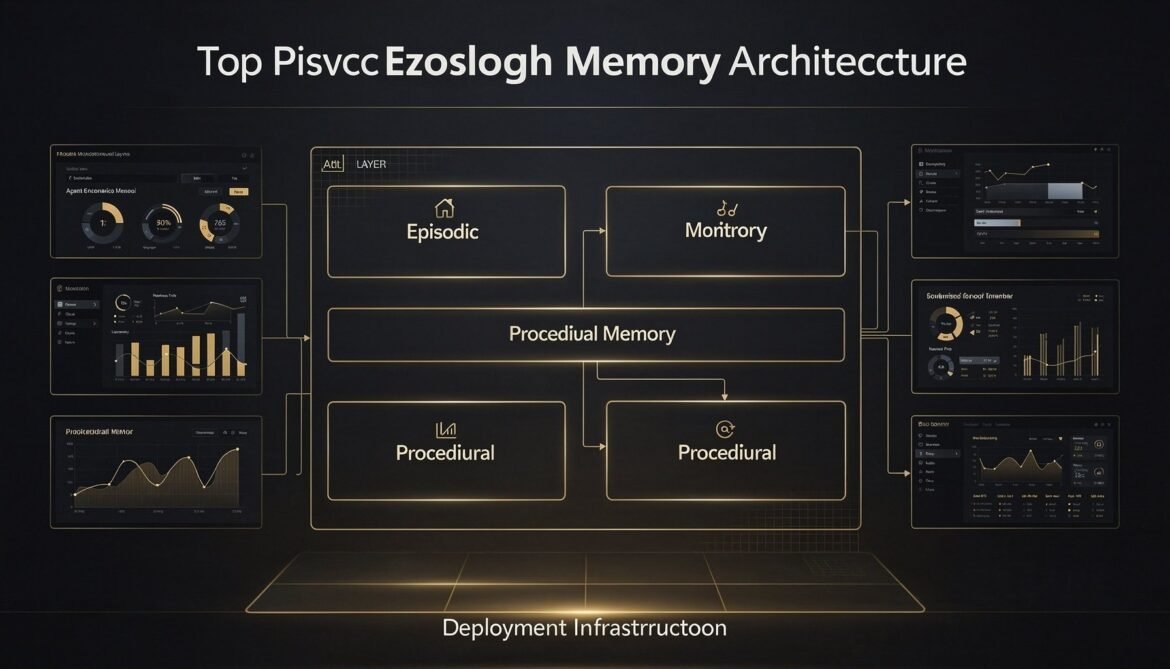
Seven parts built the individual layers. This final part assembles them into a complete, deployable production system with a full reference architecture, infrastructure configuration, monitoring setup, cost model, and a decision framework for when to use each memory type.
Tag: AI Agents
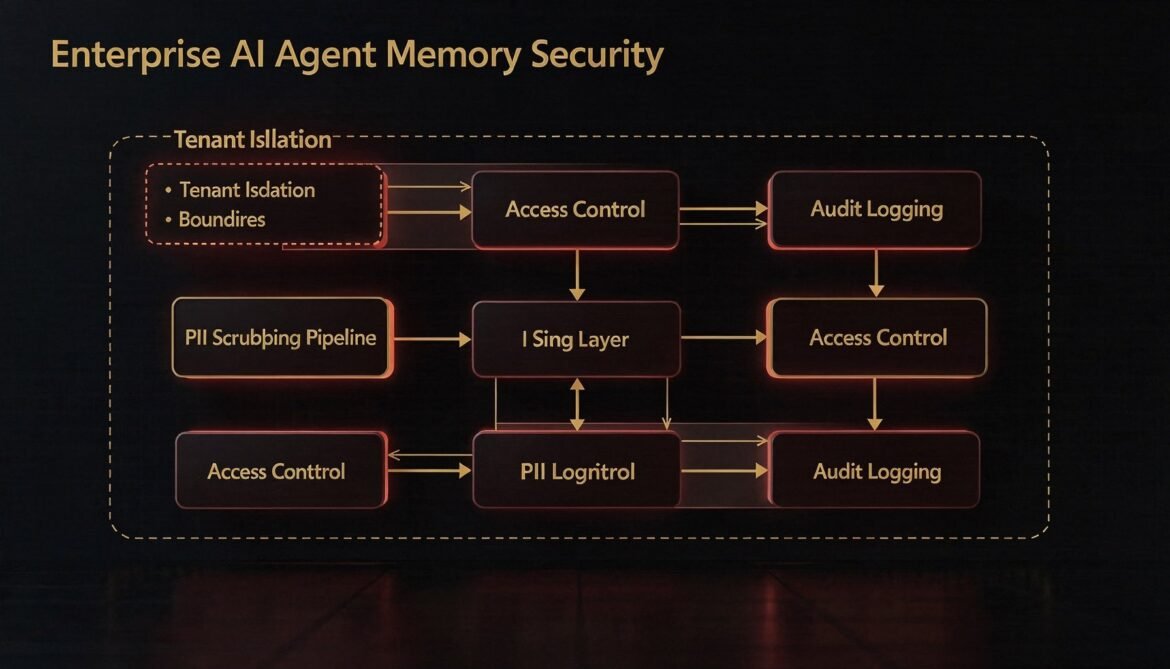
AI Agents with Memory Part 7: Memory Security and Privacy – Tenant Isolation, PII Scrubbing, and Access Control
Agent memory stores are high-value, high-risk assets in enterprise environments. This part builds the security layer: row-level tenant isolation, PII scrubbing before writes, role-based access control for shared scopes, and tamper-evident audit logging in Node.js.
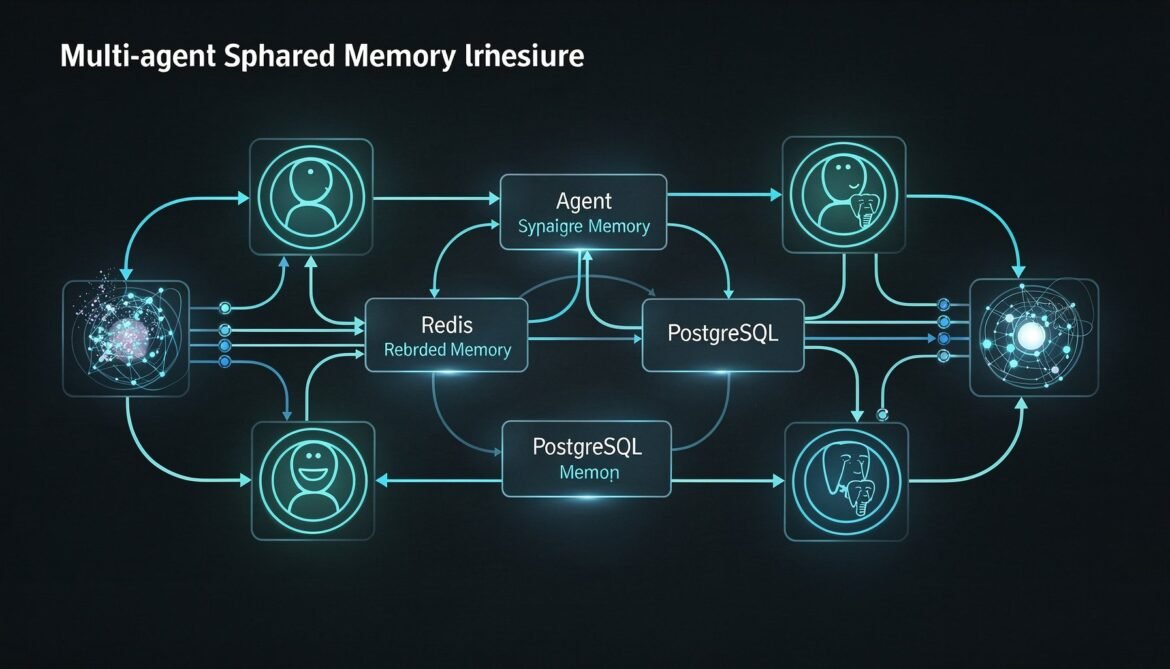
AI Agents with Memory Part 6: Multi-Agent Memory Sharing – Shared Memory Spaces Across Agent Networks with Redis and PostgreSQL
Single-agent memory is only the beginning. Enterprise systems run fleets of specialised agents that need to share knowledge without duplicating work. This part builds a shared memory architecture using Redis for low-latency coordination and PostgreSQL for durable cross-agent event history in Python.
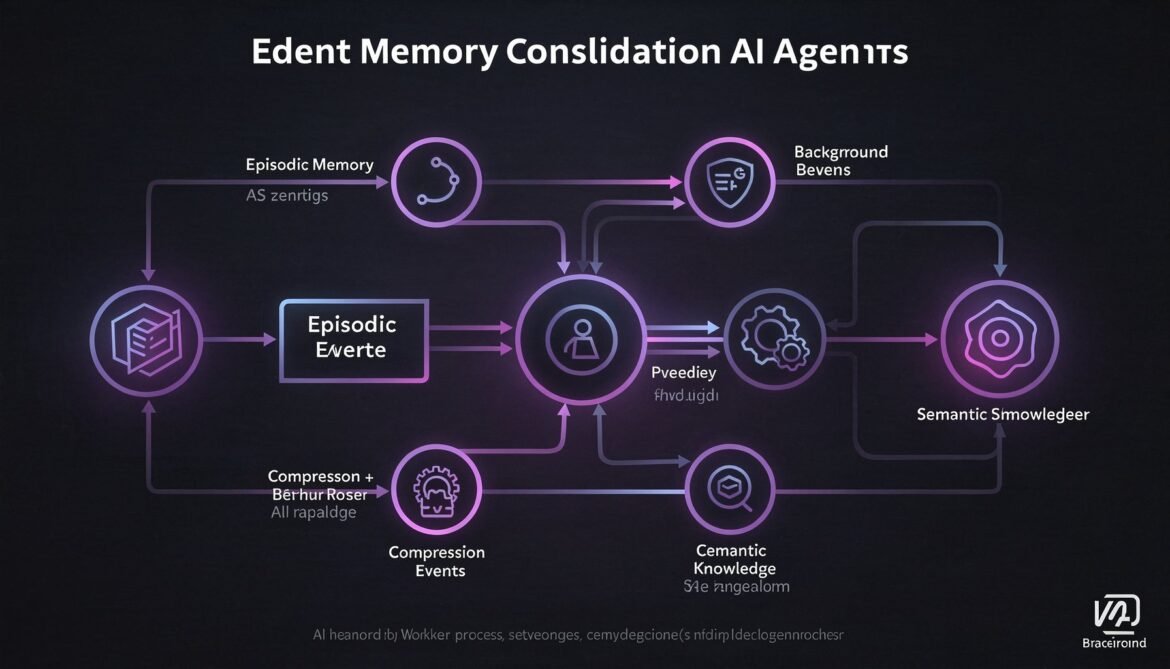
AI Agents with Memory Part 5: Memory Consolidation – Summarising and Compressing Long-Term History with Node.js Background Workers
Episodic memory grows indefinitely. Without consolidation, retrieval degrades and storage costs climb. This part builds a Node.js background worker that compresses episodic memory into semantic knowledge on a rolling schedule, keeping your agent sharp without ballooning your database.
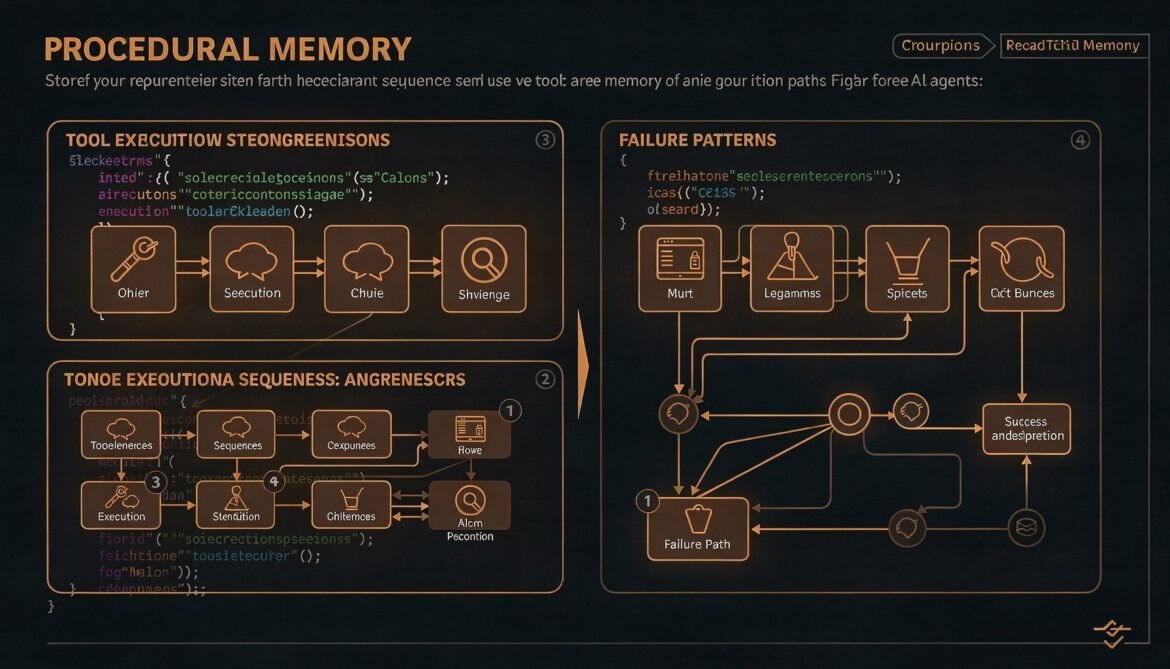
AI Agents with Memory Part 4: Procedural Memory – Agents That Learn From Past Actions Using C#
Episodic memory records what happened. Semantic memory stores what is known. Procedural memory stores how things are done. This part builds a production procedural memory system in C# that records successful tool sequences and problem-solving patterns so agents get measurably better with every session.
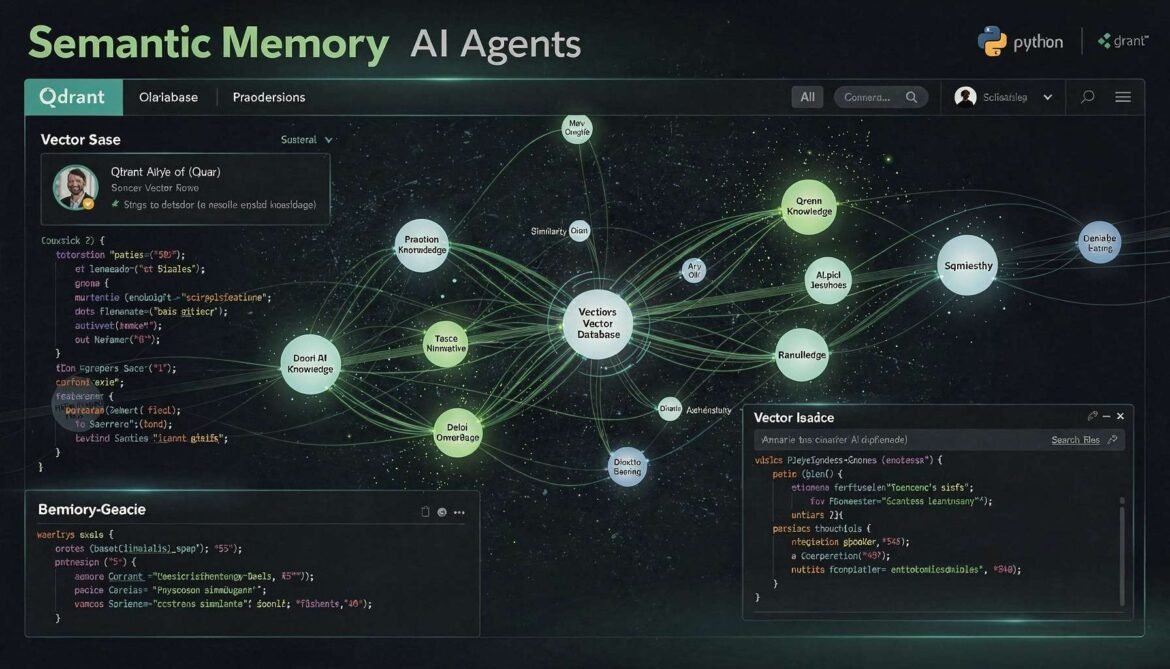
AI Agents with Memory Part 3: Semantic Memory – Building a Long-Term Knowledge Layer with Qdrant and Python
Episodic memory records what happened. Semantic memory stores what the agent has learned. This part builds a production semantic memory layer using Qdrant and Python, with fact extraction, importance-weighted upserts, and similarity retrieval that lets agents build genuine knowledge about users and domains over time.
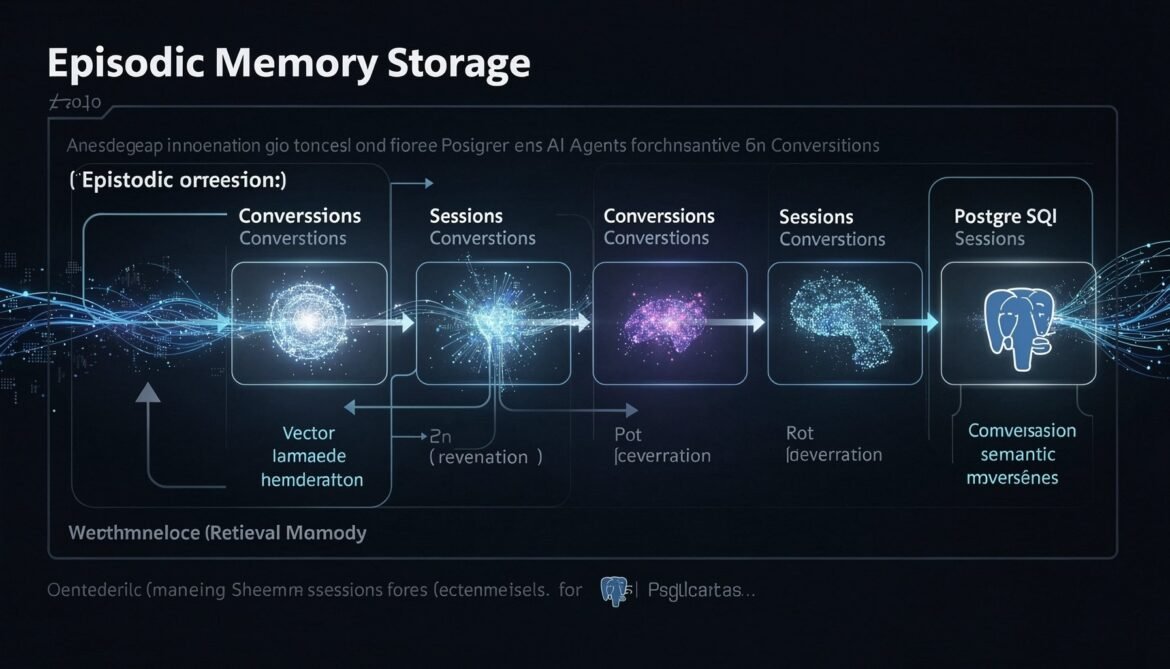
AI Agents with Memory Part 2: Episodic Memory – Storing and Retrieving Conversation History at Scale with PostgreSQL, pgvector, and Node.js
Episodic memory is what lets an agent remember what happened in past sessions. This part builds a complete production episodic memory system using PostgreSQL with pgvector, implementing hybrid time-based and semantic retrieval in Node.js so your agent never starts from zero again.

AI Agents with Memory: Why Single-Session Agents Fail in Enterprise and the Three Memory Types That Fix It
Most agent guides cover single-session work. Enterprise agents need persistent memory across sessions. This first part explains why stateless agents break down at enterprise scale, introduces the three memory types that solve it, and maps out the architecture this series will build.

Agentic AI in 2026: How Autonomous Systems Are Reshaping Enterprise Technology
Gartner projects 40 percent of enterprise applications will embed AI agents by end of 2026. This post covers the agentic AI shift, MCP hitting 97 million installs, the April 2026 frontier model landscape, OS-level AI integrations, and the governance gap enterprises must close.

What is the A2A Protocol and Why It Matters in 2026 (Part 1 of 8)
The Agent2Agent (A2A) protocol is the new open standard for AI agent interoperability. Learn what it is, how it differs from MCP, why 50+ enterprise partners are backing it, and why every enterprise developer needs to understand it in 2026.